2026-11-16 · 6 min read · Davis County
Choosing Between Two Davis County Homes You Like: How Do You Decide?
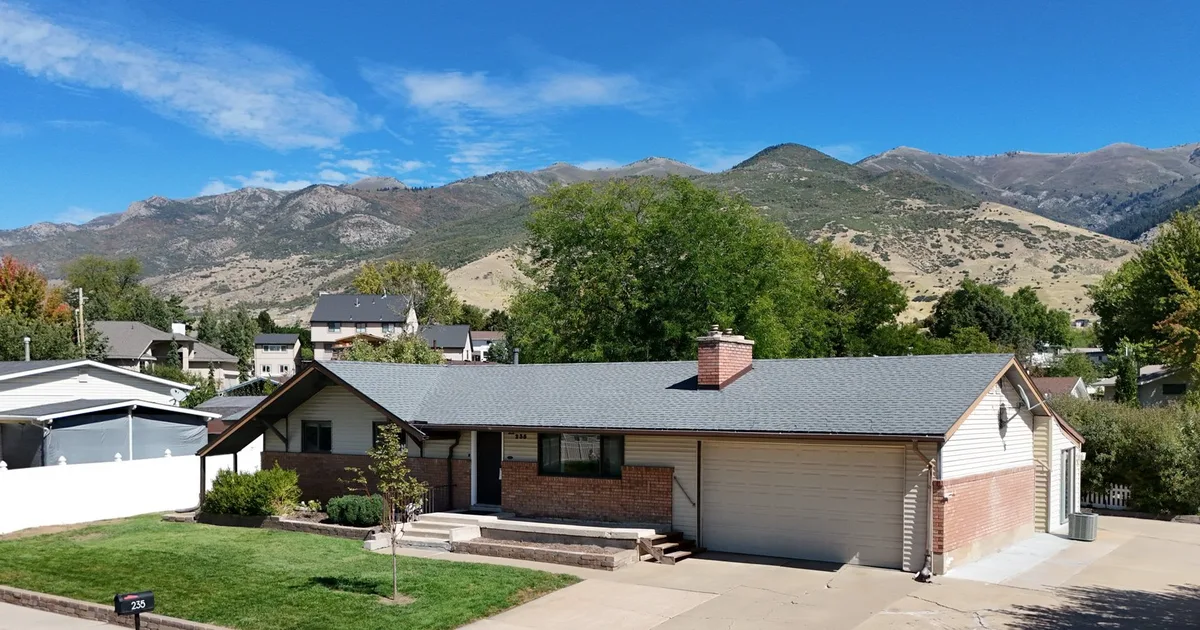
How do you choose between two Davis County homes you both like?
Stop comparing how they feel and start comparing what they cost, what condition they are in and how they fit your daily life. Write down the same set of facts for each house, give each category a weight based on what matters most to you and look at the totals. When two homes are close, the winner is usually decided by one or two items you did not notice until you put them side by side. The process also helps you explain your choice to a partner, a lender or yourself.
Charisse Walker is a real estate agent with Chalker Properties Group in Salt Lake and Davis County, Utah, and a licensed mortgage lender. This article gives you a scorecard you can fill in on a phone or a sheet of paper, the questions that sharpen each category and the mistakes that lead buyers to choose the wrong one. It works for any two homes in Davis County, from Layton to Bountiful.
Why do buyers get stuck between two homes?
Because both usually have strengths and neither is flawless. One may have a better kitchen and the other a better yard. One may be newer and the other closer to work. Emotions run high, and showings often happen on different days, so memories blur. Photos and notes fade fast. It is common to tour six or eight homes in a weekend and forget which one had the sloped driveway.
A scorecard replaces memory with facts. It does not take the emotion out of buying a home, and it should not, since you will live there. It gives the emotion a structure so it is not the only voice in the room.
What goes on the scorecard?
Use the same list for both houses. Score each item from 1 to 5, or write short notes, whichever you prefer.
- Price and monthly cost. The list price, your estimated payment, property taxes, insurance, utilities and any HOA dues.
- Condition. Roof, furnace, water heater, windows, plumbing, electrical and anything the inspection could flag. Age matters as much as appearance.
- Likely near-term costs. What you expect to spend in the first two years, from paint and flooring to appliances and a fence.
- Layout and space. Bedrooms, bathrooms, storage, how you would use each room and whether it works for how you live.
- Lot and exterior. Yard size, slope, drainage, sun exposure, parking, garage size and any secondary water or irrigation details.
- Commute and daily routes. Test the drive at the times you would actually make it. See testing the commute.
- Nearby amenities. Distance to grocery stores, parks, trails, medical care and places you visit weekly.
- Resale outlook. How easy it will be to sell later: layout, condition, lot and how it compares to similar homes.
- Flexibility. Room to grow, ability to finish a basement or add space, and what zoning and HOA rules allow.
- Gut feeling. A real category. Score it honestly.
How do you weigh the categories?
Not all categories matter equally. Before you score, decide your top three. For one buyer, the commute might be worth more than a larger kitchen. For another, a low monthly payment outweighs a better lot. Multiply your top three scores by two, or write the weights next to the categories, then total them.
If the totals are close, look at the biggest single difference. Which gap would be hardest to fix later? You can repaint a room, replace flooring or add a fence. You cannot move a house closer to work, make a small lot bigger or fix a layout that does not suit you. Fixable things should weigh less than permanent ones.
How do the numbers compare when you add the real costs?
Two homes with the same list price can have very different monthly costs. Check:
- Property taxes. They differ by property and by taxing area. Look up each address in the county records rather than relying on the listing.
- Insurance. Ask for a quote on each, since age, roof and location can change it.
- Utilities. Ask for twelve months of bills if the seller can provide them, and note the heating system and insulation.
- HOA dues and rules. Ask for the documents and read what they cover.
- Near-term repairs. Use your inspection results to put numbers on the first two years.
When you add these up, a home that seemed more expensive can turn out cheaper to own, and the reverse. Your lender can run the payment on each, and the walk-through in how much house can you afford in Utah helps you see where your comfort zone sits.
What should you do on a second visit?
Go back to both homes at a different time of day. Visit one on a weekday morning and the other in the evening, or visit both at the same time of day so you can compare. Bring your scorecard. Then:
- Stand outside and listen for road, rail, aircraft or neighbor noise.
- Check cell service and internet options.
- Open every cabinet, window and closet.
- Run the water and flush toilets.
- Look at the ceiling lines and corners for stains.
- Walk the street and the nearby blocks.
- Check the garage and basement for moisture, smell or storage limits.
A second look often changes a score by a point or two, and sometimes it ends the decision.
What does a typical comparison look like?
Here is a typical example, not a specific client. A buyer is choosing between a rambler in Layton with an updated kitchen and a two-story in Kaysville with a larger yard. They like both. On the scorecard, the rambler scores higher on layout and near-term costs, and the two-story scores higher on lot size and resale. The commute test shows a similar drive time for both, but the rambler is a few minutes closer to the buyer's workplace on a normal weekday morning.
The buyer's top three are monthly cost, commute and condition. The rambler's roof is newer, and the two-story needs a furnace replacement soon, according to the inspection. Once they put numbers on the furnace and the property taxes, the rambler is the lower cost to own for the first few years. The buyer chooses the rambler, with confidence that the choice rests on facts they can explain.
The same method works in any pair of homes. The names of the places change. The steps do not.
What are the common mistakes?
- Falling for one feature. A beautiful kitchen does not fix a long commute or a failing roof.
- Ignoring the second-year costs. The price you pay and the cost of owning are not the same number.
- Comparing homes from different days without notes. Take photos and write the scorecard the same day.
- Skipping the inspection on the one you prefer. The favorite gets the least scrutiny. Give both the same attention.
- Waiting too long. If you take too many days to decide, one may sell. Set a decision date.
- Letting someone else decide. Friends and relatives will have opinions, but the people paying the mortgage should decide.
For a wider list, see the biggest mistakes home buyers make in Utah.
What if you cannot decide?
If the scorecard is tied and neither house is clearly ahead, you have a few options. Ask your agent for recent sales around both homes to see which has been easier to sell. Get the inspection on both, if time and your contract allow, to see which has fewer surprises. Ask yourself which regret would be harder to live with: losing the first or the second. And be willing to say neither is right. A tie between two good-enough homes can mean you are not ready, or that a third option is still out there.
Charisse Walker is a real estate agent with Chalker Properties Group in Salt Lake and Davis County, Utah, and a licensed mortgage lender. A calm, written comparison is one of the most useful things she can build with a buyer who is torn.
Frequently asked questions
How many homes should I compare at once? Two or three. More than that and the list gets hard to hold in your head.
Should I make offers on both? Talk with your agent. It can create a risk of being committed to two, and the contract terms matter.
What matters most? The things you cannot change later: location, lot, layout and structure.
Do I need an inspection on each? If you are serious about both, yes. It is a small cost compared with the price of the home.
What if my partner and I disagree? Each of you scores separately, then compare. The differences show you what matters most to each of you.
What is the next step?
If you are down to two homes in Davis County, we can build the scorecard together and put numbers on each. Contact Chalker Properties Group and we will walk through the next steps, simplified.