2026-11-25 · 7 min read · Davis County
Buy With Cash, Then Get a Mortgage? How Delayed Financing Works for Davis County Buyers
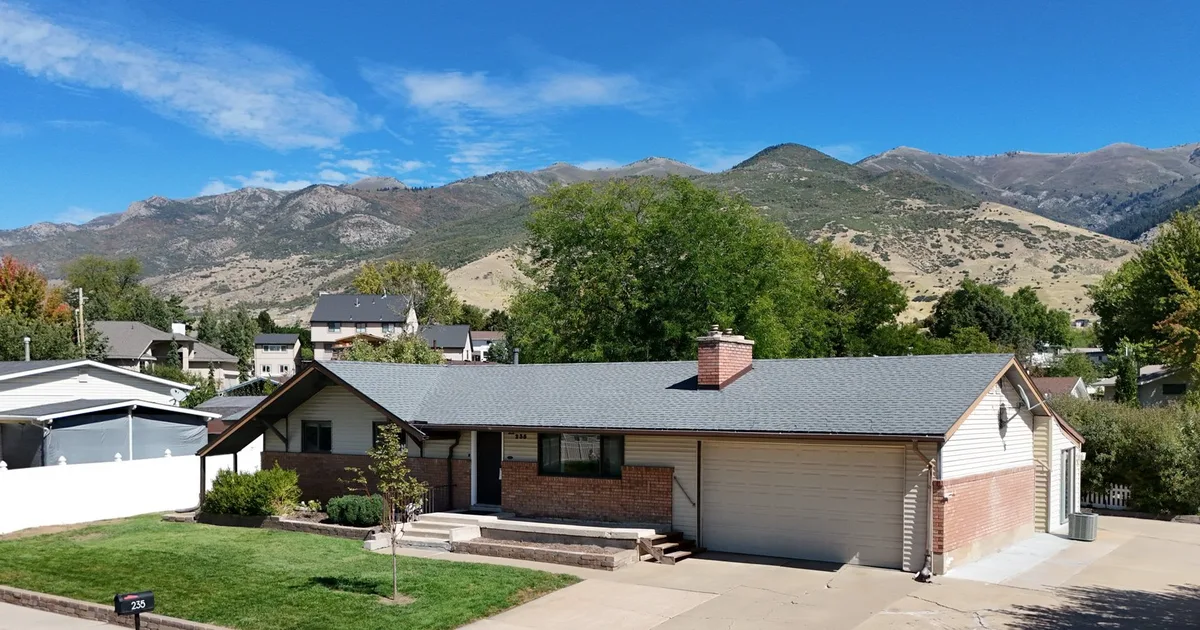
Can you buy a Davis County home with cash and get a mortgage afterward?
Often, yes. Delayed financing lets you buy a home with cash, then take out a mortgage on it shortly after closing to get much of that cash back. You get the simpler offer of a cash buyer and still end up with a loan, without waiting the usual time before a cash-out refinance.
For Davis County buyers, it fits a few situations: a move-up buyer who has cash from savings, retirement funds or another source and wants to make a clean offer, an investor buying a rental, or a buyer competing with other cash offers. It comes with rules about where the cash came from and how much you can borrow, so plan it with your lender before you write the offer.
Charisse Walker is a real estate agent with Chalker Properties Group in Salt Lake and Davis County, Utah, and a licensed mortgage lender. Here is how it works, step by step.
Why would a buyer use delayed financing?
A cash offer has no loan approval or appraisal requirement from a lender, so a seller may see it as more certain and faster to close. Our guide on what goes into an offer besides the price explains why terms like this matter to sellers.
The trade-off is that your cash is tied up in the house. Delayed financing gives you a way to free much of it back up for reserves, your next project or paying down other debt, while keeping the clean offer.
How does delayed financing work, step by step?
- Talk to your lender before you offer. Confirm the program allows delayed financing for your situation and what you will need to document.
- Document where the cash comes from. Lenders usually want to see the source of the funds you used to buy, such as bank or investment statements. If you borrowed the cash, for example against another property, the lender will look at that too.
- Buy the home with cash. Close as a cash purchase. Keep your closing statement, since the lender will use it.
- Apply for the new loan soon after closing. Programs set a time limit for how soon after the purchase the new loan must close. Ask your lender for the exact window.
- Get the appraisal and close the loan. The lender orders an appraisal, approves your income and credit, and closes the loan. The money goes back to you.
What rules usually apply?
Rules vary by loan program and lender, but these are common:
- The purchase was arm's length. You did not buy from a relative or a business you are tied to, in most cases.
- The home is free of liens. No other mortgage was placed on it after you bought it.
- The loan amount is capped. It is usually limited by what you paid plus allowed closing costs, and by the program's limit on loan-to-value.
- The source of funds is documented. Cash from an unexplained source can limit what you are able to borrow.
- You qualify as you would for any loan. Income, credit and debts still matter.
Ask your lender which program they would use and get its rules in writing before you rely on it.
How is delayed financing different from a regular cash-out refinance?
A regular cash-out refinance often requires you to own the home for a set period before you can take cash out, and limits the loan to a lower share of the value. Delayed financing is an exception to that waiting period for buyers who paid cash. The loan is usually figured from what you paid, rather than a new, higher appraised value.
That means delayed financing gives your purchase money back. It is not a way to pull out equity the home gained after you bought it.
When does a regular purchase loan make more sense?
Delayed financing is a tool for a specific situation. For many buyers, a standard purchase loan is the better fit:
- You do not have enough cash to buy outright. Delayed financing only works if you can close with cash first.
- The seller is not weighing cash differently. If there is no competition and the seller is happy with a financed offer, you may pay two sets of closing costs for no gain.
- Your cash comes from a source that is hard to document. That can limit the loan you get afterward.
- You need every dollar of reserves. If the loan were delayed for any reason, you would be short on cash until it closed.
A financed offer can still compete. A full pre-approval, a solid down payment and a reasonable due diligence period make a financed offer easier for a seller to accept. Your agent can tell you what the seller seems to care about most.
What does it cost?
You pay closing costs twice: once on the cash purchase and again on the loan. The loan's costs include lender fees, an appraisal, title insurance for the lender and recording fees. Some rates and terms for this kind of loan may be priced differently than a standard purchase loan. Ask for a Loan Estimate up front and compare it to financing the purchase from the start. Our guide on comparing Loan Estimates shows where to look.
What mistakes do buyers make with delayed financing?
- Making a cash offer before confirming the lender will do the loan afterward.
- Moving money between accounts right before the purchase, which makes the source harder to document.
- Missing the program's time window after closing.
- Assuming they can borrow more than what they paid.
- Changing jobs or taking on new debt between the purchase and the loan.
- Draining reserves for the purchase with no backup plan if the loan is delayed.
Charisse Walker is a real estate agent with Chalker Properties Group in Salt Lake and Davis County, Utah, and a licensed mortgage lender. The plan works when the loan is lined up before the offer, not after.
What does this look like for a typical buyer?
Here is a typical example, not a real client. A buyer moving up within Davis County sold a rental property earlier in the year and has the proceeds in a savings account. They find a home in Farmington and expect other offers.
Before writing, they meet with a lender, who confirms delayed financing fits their situation and lists the documents needed: the closing statement from the rental sale, account statements and the new closing statement after purchase. The buyer writes a cash offer and wins the home. A few weeks after closing, they take out a mortgage on it, get much of their cash back and keep it as reserves.
Frequently asked questions
Can I use delayed financing on a rental or second home?
Some programs allow it. Rules and limits can differ from a primary home, so ask your lender.
Does the house need an appraisal?
Yes. The lender orders one for the new loan.
Can I use a HELOC on my current home to fund the cash purchase?
Sometimes. The lender will want to see that loan documented, and it may need to be paid down from the new loan.
Is there a time limit?
Yes. Programs set a window after the purchase. Your lender will give you the exact date.
Is delayed financing right for every cash buyer?
No. If you plan to keep the cash in the house, there is no reason to pay a second set of closing costs.
What should you do next?
If you are thinking about a cash offer in Davis County and want your cash back after closing, start with a lender conversation before you shop. Our guides for move-up buyers and on investment property cover the rest, and our Farmington page has local context.
At Chalker Properties Group, we help you line up the offer and the financing plan together. Charisse Walker is a real estate agent with Chalker Properties Group in Salt Lake and Davis County, Utah, and a licensed mortgage lender. When you are ready, contact Charisse and we will map out your next steps.
Charisse Walker, NMLS #2118149, is a mortgage loan originator with Morty, Inc., a licensed mortgage broker, NMLS #1429243. All loans are funded by third-party lenders. Equal Housing Opportunity.