2026-11-10 · 8 min read · Davis County
Buying a Fixer-Upper in Davis County: How Do Renovation Loans Work?
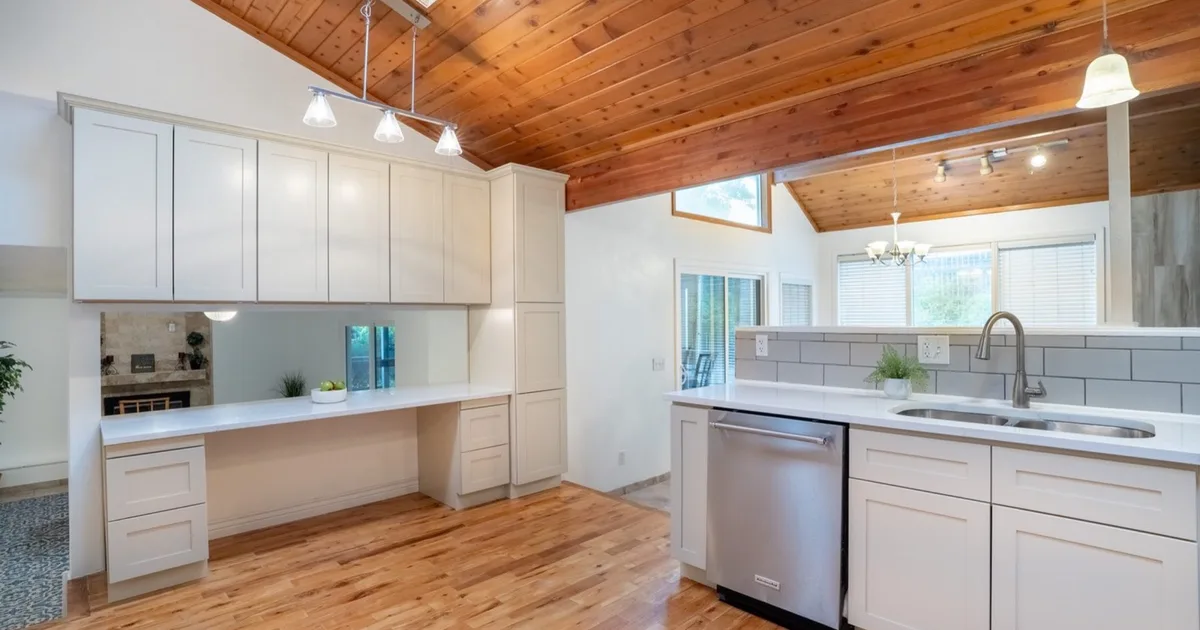
How do renovation loans work for Davis County fixer-upper buyers?
A renovation loan is one mortgage that covers the purchase price and the cost of repairs, so you do not need cash on hand for the work. The lender sizes the loan on what the home is expected to be worth after the improvements, holds the repair money in escrow, and releases it in stages as the work is completed. It takes more paperwork than a standard loan, and it moves on a schedule the contractor has to meet.
Charisse Walker is a real estate agent with Chalker Properties Group in Salt Lake and Davis County, Utah, and a licensed mortgage lender. Buyers in Davis County who find a dated home in a neighborhood they want often ask whether they can finance the updates too, and the answer is usually yes, with conditions.
This is general education, not loan advice for your situation. Rates, limits and guidelines change, so confirm current terms with a lender before you rely on any of this.
What are the main renovation loan options?
Two programs cover most fixer-upper purchases:
- FHA 203(k). A government-insured loan with a lower down payment requirement than many conventional loans. It comes in a limited version for smaller, non-structural work and a standard version for larger projects, including structural repairs. It usually involves a HUD-approved consultant on bigger jobs.
- Conventional renovation loans. Programs such as Fannie Mae's HomeStyle let buyers finance repairs and improvements on a conventional loan, with more flexibility on the types of work, and may suit buyers with stronger credit and a larger down payment.
Other products exist, and some lenders offer their own. Which one fits depends on the home, the work, your credit and your down payment. Our guide to Utah first-time homebuyer loan programs covers FHA basics, and the page on comparing FHA and conventional loans explains the tradeoffs.
How is the loan amount decided?
A standard loan is based on the home's current value. A renovation loan is based on the lower of two figures, usually the purchase price plus the cost of the work, or the home's appraised value after the work is done. The appraiser estimates that future value from the plans and the contractor's bid.
That is why the plan matters. If the repairs are listed clearly and priced realistically, the appraisal can support the loan. If the plan is vague, the lender may reduce what it will finance.
Most programs also require a contingency reserve, a cushion for surprises, built into the repair budget. Ask your lender how large it must be. Costs that are not part of the work, such as closing costs and any mortgage insurance, still need to fit within your budget. Our guide to Utah buyer closing costs covers those line items.
What kinds of work can the loan cover?
The rules differ by program, so ask your lender for the current list. In general, renovation loans can cover work that repairs or improves the home:
- Roof, siding, windows and exterior repairs
- Kitchen and bath updates
- Flooring, paint and finishes
- Heating, cooling, plumbing and electrical updates
- Structural repairs, on programs that allow them
- Energy efficiency improvements
Some luxury additions are restricted or not allowed, and not every program funds work that is only cosmetic. Never assume an item qualifies. Put the full scope in front of the lender before you offer.
How does the process differ from a standard purchase?
You go through the same pre-approval and underwriting, plus more steps for the work:
- Pre-approval. Tell your lender you are planning a renovation loan, so the file is built correctly from day one. Our guide to getting pre-approved in Utah explains the base process.
- Offer. The contract should reference the financing type and allow time for bids and the appraisal.
- Bids and scope. A licensed, insured contractor provides a written scope and price. Many lenders approve contractors, and some programs require it.
- Appraisal. The appraiser values the home as improved, based on the plans.
- Closing. You close on the purchase. The repair funds stay in an account.
- Work and draws. The contractor completes stages, an inspector verifies, and the lender releases payment.
Expect the timeline to run longer than a standard purchase. Build that into your contract dates, and tell the seller early so they are not surprised.
What are the common mistakes with renovation loans?
- Starting without a lender. The scope, the bid and the contract all depend on the loan type, so talk to a lender first.
- Lowballing the budget. A vague or optimistic bid shrinks what the appraisal can support.
- Choosing the wrong contractor. A contractor who has not worked with draw schedules can stall the project.
- Forgetting the living plan. Some homes cannot be lived in during the work. Plan where you will stay and what it costs.
- Doing the work yourself without checking. Many programs limit or bar owner-performed labor.
- Ignoring the ongoing payment. The loan is larger, so the monthly payment is too. Check it against your budget.
Does the seller or the home need to meet any standards?
Yes. Even renovation loans have minimum property standards. A home with serious safety, structural or health issues has to have them addressed as part of the plan. A home that is not livable today can still qualify, but the lender must be able to see how the work brings it up to standard.
Some fixer-uppers have bigger problems than cosmetic ones: foundation movement, an old roof, or a failing system. Our guide to what to expect at a Utah home inspection explains how to find them, and a specialist's report may be needed before the lender will move forward. Older homes can also carry other special issues, so ask your agent which apply before you offer.
What does this look like for a typical Davis County buyer?
Here is a typical example, not a specific client.
A buyer finds a 1970s home in Clearfield with original cabinets, worn carpet and a furnace near the end of its life. The price reflects the condition. The buyer has a modest down payment and not much cash left over for repairs.
Instead of waiting to save for the work, the buyer talks to a lender about a renovation loan. They choose a program, collect a written bid from a licensed contractor for the kitchen, flooring and furnace, and include a contingency reserve in the budget. The offer references the financing and gives enough time for the appraisal.
After closing, the repair funds are released in stages as each part of the project is finished and inspected. The buyer moves in when the work is done, with one payment and no separate loan for the repairs.
Whether this made sense depended on the numbers: the after-repair value, the monthly payment and the buyer's comfort with a longer timeline. That is the comparison to run before you offer.
Renovation loan FAQ
Can I use a renovation loan on any home?
Not always. The home has to meet program rules, and the work must be eligible. Ask a lender before you offer.
Do I need a contractor before I make an offer?
You do not need to sign anyone, but you should have a bid in hand early, since the appraisal and underwriting depend on it.
Is the interest rate higher on a renovation loan?
It can differ from a standard loan. Ask your lender for a quote on the specific program, not a general number.
Can I do the work myself?
Some programs restrict or prohibit it, and others allow limited labor. Confirm with your lender.
What if the repairs cost more than planned?
The contingency reserve is meant for that. If costs run past it, you may need to pay the difference out of pocket.
How can Chalker Properties Group help you buy a fixer-upper in Davis County?
Charisse Walker is a real estate agent with Chalker Properties Group in Salt Lake and Davis County, Utah, and a licensed mortgage lender. Her lending background helps her spot, early in the process, whether a project fits a renovation loan or needs a different plan.
The buying a home guide lays out each step, and the Layton page shows how housing stock varies across the county.
Eyeing a fixer-upper in Davis County? Contact Charisse to talk through your timeline, your financing and the questions to ask before you offer.
Charisse Walker, NMLS #2118149, is a mortgage loan originator with Morty, Inc., a licensed mortgage broker, NMLS #1429243. All loans are funded by third-party lenders. Equal Housing Opportunity.