2026-11-10 · 8 min read · Davis County
Secondary Water and Irrigation: What Should Davis County Home Buyers Ask Before Making an Offer?
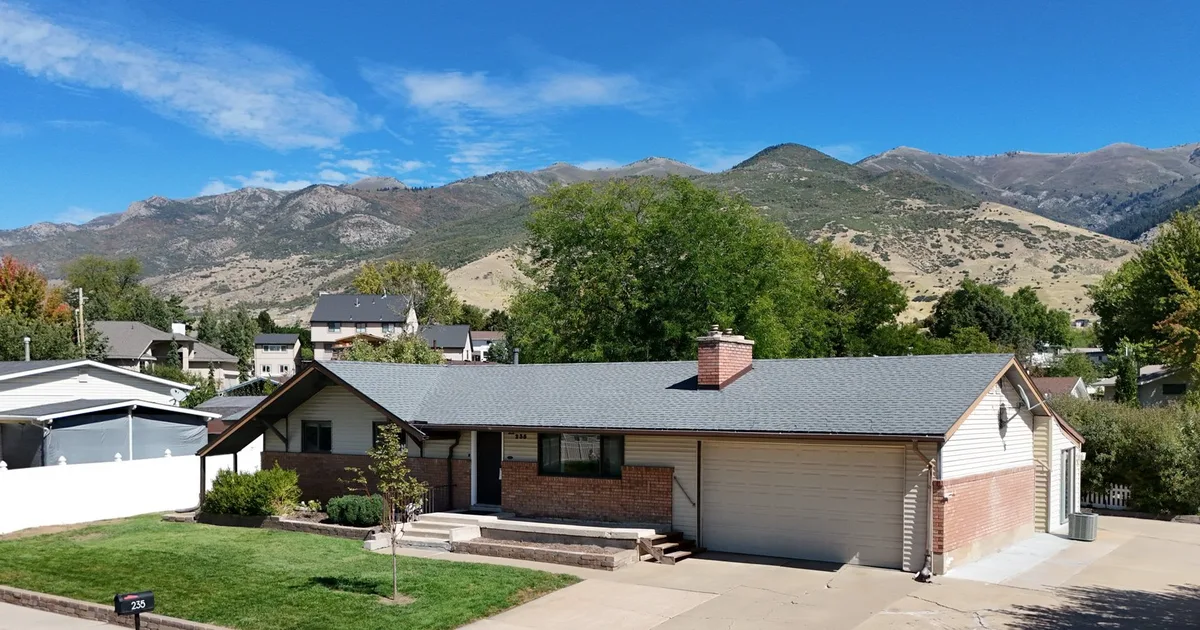
What should Davis County buyers ask about secondary water before making an offer?
Ask four things: who supplies the home's outdoor water, how it is billed, whether it is metered, and whether any water rights or shares transfer with the property. Many Davis County homes water the yard with a separate irrigation system, often called secondary water, instead of the culinary water that comes out of the kitchen tap. The answers are on paper somewhere, and you want them before your inspection deadline, not after closing.
Charisse Walker is a real estate agent with Chalker Properties Group in Salt Lake and Davis County, Utah, and a licensed mortgage lender. Buyers moving into Davis County from other states often have never heard of secondary water, so it is one of the first things she explains when they start touring Layton, Kaysville, Farmington or Bountiful.
This is general education. The water provider, the seller's disclosure and your title documents are the sources that settle the facts for any one home.
What is secondary water, and how is it different from the water in the kitchen?
Culinary water is treated drinking water. Secondary water is untreated water used for lawns, gardens and landscaping. In many neighborhoods it arrives through its own pipes, separate from the home's plumbing, and it is meant to stay outdoors.
Who delivers it depends on the street. Depending on the address, it may come from a city, a water district, an irrigation company, or a neighborhood system. Some properties have no secondary water at all and water the yard from the tap, which changes the monthly cost.
Because the system is separate, a home inspection does not always cover it. A general inspector looks at the house. The irrigation lines, the valve boxes and the point where the system connects to the property often need their own question.
How is secondary water billed, and what does it cost?
Billing varies by provider. Some homes pay a flat seasonal fee on a property tax bill or a separate invoice. Others pay by the amount used, and Utah has been moving secondary systems toward metering, so more homes are on use-based billing than in the past.
Do not guess at the cost. Ask the seller or the listing agent for a recent bill, then confirm with the provider for the address. Questions worth asking:
- Is the charge flat, tiered or based on measured use?
- Is it billed monthly, seasonally or once a year?
- Does the bill come separately, or is it part of a city utility statement?
- Is there a connection or transfer fee when ownership changes?
A flat fee and a metered bill can feel very different on a large lot. If you plan to keep a big lawn or a garden, ask what a full summer of watering looked like at the property.
Do water shares or water rights come with the home?
In some parts of the county, irrigation water is tied to shares in an irrigation company, and those shares may be attached to the property or held separately by the seller. Whether they transfer is a contract question, not an assumption.
Check three places. First, the listing and the seller disclosure for any mention of water shares. Second, the title commitment, which can show recorded water-related interests. Third, the irrigation company or provider, which can tell you whether the account is in the seller's name and what it takes to move it into yours.
If shares are meant to transfer, say so in the offer. The purchase contract is where an item like this is written down. Our guide to the Utah purchase contract shows where to put terms like this one. If a seller plans to keep the shares, you want to know that before you count on watering the yard the way the listing photos suggest.
What should you check on the system itself?
Even a well-run supply does nothing if the on-property system is failing. Walk the yard with the seller's agent and look at the following:
- Valves and timer. Find the controller and the valve boxes. Ask whether the system has been winterized each fall and who did it.
- Sprinkler heads and lines. Look for wet patches, sunken spots and dead strips, which can signal a leak.
- Filters or screens. Untreated water can carry debris, and clogged filters are a common reason a system underperforms.
- The shutoff. You should know where the water enters the property and how to turn it off.
- Backflow protection. Ask whether the connection has what the provider requires.
If the visit happens in winter, the system is off and often blown out for freezing. You cannot see it run. In that case, ask for any service records and consider asking a landscape or irrigation contractor to test it after the thaw, with that testing written into the offer as a condition if you want the protection. Our guide to what to expect at a Utah home inspection covers what a general inspector will and will not cover.
What are the most common mistakes buyers make with secondary water?
- Assuming it is included. A seller's lush lawn does not prove anything about who pays, or whether shares transfer.
- Skipping the question in winter. When the system is off, buyers forget to ask about it at all.
- Treating the tap as the backup plan. Watering a large lot with culinary water can cost far more than the system you were counting on.
- Not asking about restrictions. Providers can set watering days or seasons, and some neighborhoods have landscape rules.
- Waiting until after closing. Once the home is yours, so is the repair bill.
What does this look like for a typical Davis County buyer?
Here is a typical example, not a specific client.
A buyer is touring a Kaysville home with a deep backyard in early December. The listing mentions a garden and a mature lawn. The yard is dormant, the system is shut off for the winter, and nothing about it looks wrong.
The buyer asks the seller's agent for the last full season of irrigation bills and the name of the provider. The bills show a seasonal charge that is more than the buyer budgeted for. The provider confirms the account will need to be moved into the buyer's name at closing, and that no water shares are attached to the lot.
None of that kills the deal. It changes the budget and the buyer's expectations before they commit. The buyer also writes a short condition into the offer asking the seller to have the system turned on and tested in spring, or to credit a set amount if it fails. The seller agrees, the buyer closes with a clear picture, and nothing about the yard is a surprise in May.
Secondary water FAQ
Is secondary water safe to drink?
No. It is untreated and meant for outdoor use only. Keep it separate from drinking and household plumbing.
Does every Davis County home have secondary water?
No. It depends on the street and the provider. Some homes water from the tap, and some have a private source. Ask for the specific address.
Can the secondary water bill be higher than the culinary water bill?
It can be, especially on a large lot in summer. Ask for a full season of recent bills instead of a single month.
Should I get a separate inspection for the irrigation system?
It is worth considering if the lot is large, the landscaping is a big part of the home's value to you, or the home is being sold in winter when the system cannot be run.
Who do I call to confirm how water works at an address?
Start with the water provider named in the seller's disclosure or on the bills. Your title company can also help confirm anything recorded against the property.
How can Chalker Properties Group help you buy in Davis County?
Charisse Walker is a real estate agent with Chalker Properties Group in Salt Lake and Davis County, Utah, and a licensed mortgage lender. She tells buyers what to ask before they are committed, so the details that live in the yard do not turn into costs after closing.
If you are new to the process, the buying a home guide lays out each step, and you can look at Layton or Kaysville to see how lot sizes and housing types compare across Davis County cities.
Looking at Davis County homes? Contact Charisse to talk through your timeline and the questions to ask on your next showing.