2026-11-13 · 8 min read · Salt Lake County
What Does Title Insurance Cover When You Buy a Salt Lake County Home?
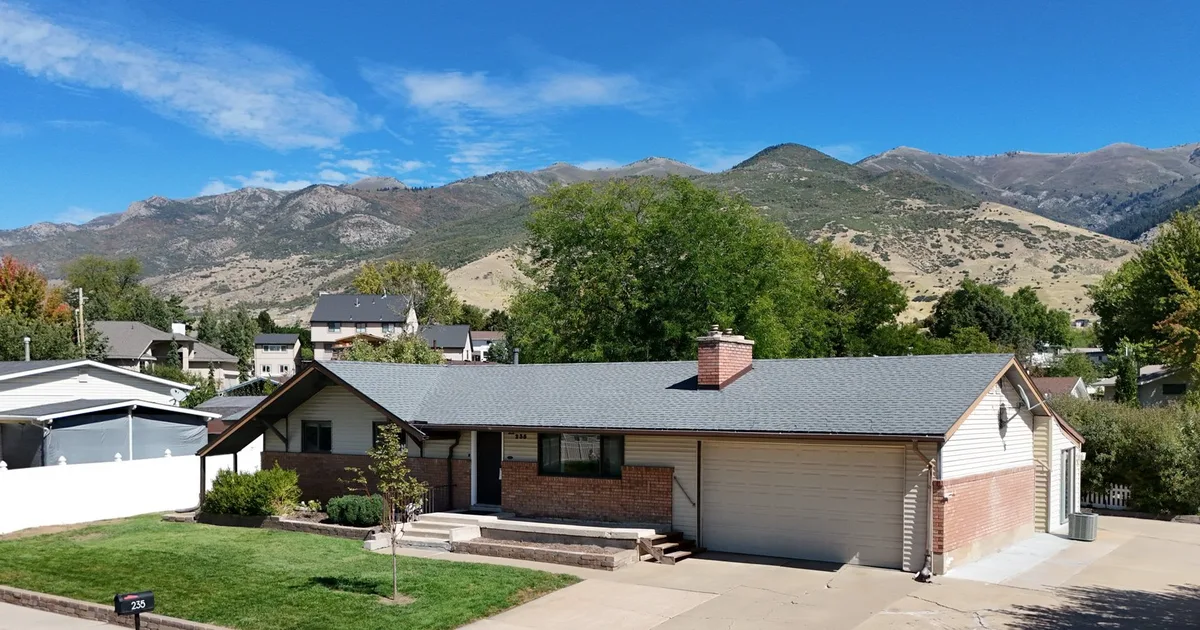
What does title insurance cover when you buy a Salt Lake County home?
Title insurance protects you against problems with the legal ownership of the property that were in place before you bought it, such as an unknown lien, a recording error, a forged signature or a claim from someone who says they have an interest in the home. You pay for it once, at closing, and the owner's policy stays in force for as long as you or your heirs own the property.
Charisse Walker is a real estate agent with Chalker Properties Group in Salt Lake and Davis County, Utah, and a licensed mortgage lender. She explains title insurance before buyers reach the closing table, because it shows up as a line item most people have never seen.
This article covers what the policies do, the difference between the two you will hear about, what title companies actually check, and the questions to ask before closing.
What is the difference between an owner's policy and a lender's policy?
Two policies are common in a financed purchase, and they protect different people.
- The lender's policy protects the lender's interest in the property. A lender usually requires it for a loan. It does not protect you.
- The owner's policy protects your ownership. It is optional in the sense that a lender does not require it, but it is the one that covers you if a title problem surfaces.
If you buy with cash, there is no lender's policy, and the owner's policy is the only protection you have. If you buy with a loan, ask the title company for a quote on both, and ask what the cost is to add the owner's coverage at the time the lender's policy is issued. Doing it at closing is usually the only time you can.
What does a title company actually do before closing?
The title company, or the escrow office it runs, searches the public record on the property. The search looks for:
- Mortgages and liens recorded against the property
- Unpaid taxes or special assessments
- Judgments against the seller that could attach to the property
- Easements and rights of way
- Errors in past deeds and recordings
- Claims from former owners or heirs
The result is a title commitment, sometimes called a preliminary report. It lists what the company will insure and what it will not, called exceptions. Your agent and you should read it. It is a short document, and it often reveals things the listing never mentioned, such as an easement or a recorded agreement with a utility.
What is not covered by title insurance?
Title insurance does not cover everything. Typical exclusions are listed in the policy, and they include:
- Problems you knew about before closing
- Matters listed as exceptions in the commitment
- Zoning and building code problems
- Physical condition of the house, which is the job of the inspection
- Defects that arise after you take ownership
Some of these can be addressed with an added endorsement, if the title company offers one for your situation. Ask what endorsements are available and what they cost. Do not assume that a missing endorsement means a problem. Ask your agent and the escrow officer to explain which ones apply to a home like yours.
Who pays for title insurance in Utah?
The purchase contract decides it, and the terms can be negotiated. I am not going to say there is a fixed rule, because the contract you sign is what binds you. In practice, the offer states who pays for the title policy and escrow fees, and that is one of the items your agent can negotiate in the same way as other closing costs.
Premium rates are filed with the state and can vary by company and by the price of the home. Get your closing costs estimate early, and compare it to your loan estimate. If a number looks different from what you expected, ask the title company to explain the line. For a broader view of what buyers pay, the closing costs guide lists the fees you may see.
What should you check in the title commitment?
- The names. Confirm the seller named in the commitment matches the person who signed your contract. If the home is held in a trust or an estate, ask what documents the company needs to confirm who can sell.
- The legal description. It should match the parcel you think you are buying.
- The exceptions. Read each one. Ask what it means for how you can use the property.
- Liens that must be paid. The seller's mortgage should be paid at closing. If anything else shows up, find out who will pay it and how.
- Easements. A utility easement along a back fence line may affect where you can build or plant.
- HOA or assessment items. Past-due dues can attach to the property.
Review it as soon as you get it, so you can raise any issue while there is still time under your contract deadlines. The closing guide shows where this fits in the timeline.
What mistakes do buyers make with title insurance?
- Skipping the owner's policy to save money at closing. If a covered claim arises later, the lender's policy will not help you.
- Not reading the commitment. Many buyers receive it and never open it.
- Assuming the seller's word covers it. A seller can be honestly unaware of a lien or a recording error.
- Waiting until the closing table to ask questions. Ask days earlier, when you can still react.
- Confusing it with an inspection. Title looks at ownership and records, not the roof.
What does this look like in a typical purchase?
Here is a typical example, not a client story. A buyer under contract on a Sandy home receives the title commitment. One exception refers to a recorded easement across the back of the lot. The buyer was planning a shed. They ask the title company for a copy of the recorded document, and their agent reads where the easement runs and what it allows.
The shed location moves. Because the buyer found out during the review period, they had time to decide, and the contract allowed them to raise the issue with the seller if it had been a larger concern. If the same buyer had found the easement a year later, the title policy would not have covered it, since it was listed as an exception and the buyer would have been on notice.
When do you see the title costs, and what should you ask?
Your loan estimate lists the title and escrow charges as estimates, and your closing disclosure shows the final numbers a few days before closing. Compare the two line by line. If the owner's policy premium or an endorsement fee changed, ask the escrow officer why.
Four questions are worth asking early. What is the premium for the owner's policy at my purchase price? Which endorsements are available for this property? Are there any requirements the seller still has to satisfy before the company can issue the policy? Who will be at the signing, and what do I need to bring? A good escrow officer will answer these in plain words. If a company cannot, that tells you something about the closing you are about to have.
Frequently asked questions
Is title insurance required in Utah? A lender will typically require a lender's policy on a financed purchase. An owner's policy is optional but protects you.
How long does an owner's policy last? It generally continues for as long as you or your heirs own the property.
Can I buy title insurance later? Usually the owner's policy has to be purchased at closing. Ask the title company.
Does a survey replace title insurance? No. A survey shows the boundaries and improvements. Title insurance addresses ownership and recorded interests.
Who chooses the title company? It is usually set in the contract, and a buyer can ask about the choice. Ask your agent.
How can Chalker Properties Group help you buy in Salt Lake County?
Charisse Walker is a real estate agent with Chalker Properties Group in Salt Lake and Davis County, Utah, and a licensed mortgage lender. When she is your agent, she reads the title commitment with you, flags the exceptions that matter, and makes sure the review fits inside your contract deadlines.
If you are early in the search, the buying a home page explains the steps, and the Sandy area page and South Jordan area page compare those cities on commute and price. The process page shows how a purchase moves from offer to closing.
Have a title question on a home you are under contract on? Contact Charisse. This article is general information, not legal advice.