2026-11-19 · 7 min read · Salt Lake County
Buying a Salt Lake County Home With a Wood-Burning Fireplace: What Should You Check Before You Offer?
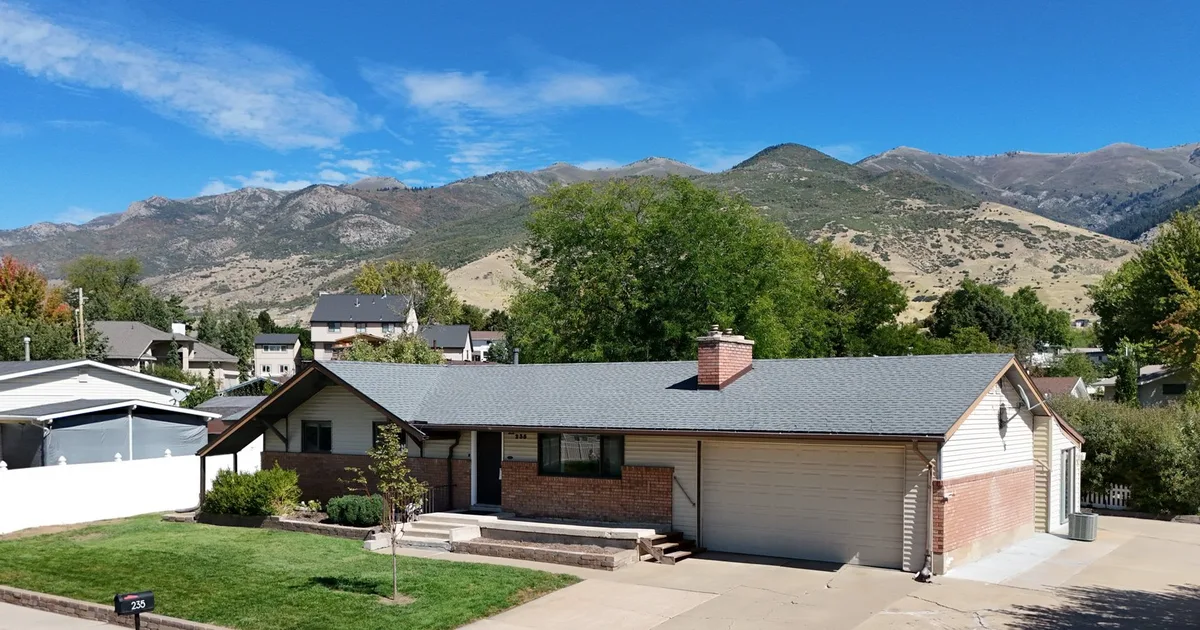
What should you check on a wood-burning fireplace before you buy a Salt Lake County home?
Check three things before you count on that fireplace: the condition of the chimney and flue, whether the fireplace has been used and cleaned recently, and how you plan to use it once you live there. In Salt Lake County, winter air quality rules can limit when you burn wood, so the last question matters more here than in a lot of places.
A standard home inspection looks at the fireplace, but most general inspectors do not go inside the chimney. That gap is where the costly surprises live. Charisse Walker is a real estate agent with Chalker Properties Group in Salt Lake and Davis County, Utah, and a licensed mortgage lender. This guide walks through what to inspect, what to ask, and how to fit it into your contract deadlines.
Does a regular home inspection cover the chimney?
Usually only part of it. A general home inspector will look at the firebox, the damper, the hearth, and whatever part of the chimney is visible from the roof or the ground. Many will note cracks, missing caps or heavy soot buildup. Most will recommend a further evaluation by a chimney professional if they see anything they can't assess.
What they generally don't do is run a camera down the flue. The flue liner is the part that keeps heat and smoke away from the wood framing around your chimney. A cracked liner in an older brick chimney can't be seen from the firebox, and it is one of the more expensive fireplace repairs a buyer can inherit.
If the home has a wood-burning fireplace you plan to use, ask your inspector up front how far their inspection goes. Then decide whether to book a chimney inspection as well.
What is a Level 2 chimney inspection, and when do you need one?
Chimney professionals commonly follow the inspection levels in NFPA 211, the national fire code standard for chimneys and fireplaces. A Level 1 inspection is a basic visual check of the accessible parts. A Level 2 inspection adds a video scan of the inside of the flue and a look at accessible areas like the attic and crawl space around the chimney.
NFPA 211 calls for a Level 2 inspection when a property is sold or transferred. That makes it the one to ask for as a buyer. A Level 3 inspection goes further and can involve removing parts of the chimney or wall, and it is usually only recommended when a Level 2 finds a serious concern.
Ask for the written report and the video or photos. If you end up negotiating a repair, you will want the chimney professional's own words and pictures, not a summary.
How do you fit a chimney inspection into your Utah contract deadlines?
On the Utah Real Estate Purchase Contract, your inspections happen inside the Due Diligence period. If you want to cancel or ask the seller for a repair or credit based on what you find, that has to happen before the Due Diligence Deadline.
Chimney companies get busy in the fall and early winter, when everyone starts thinking about fires again. Here is the order I recommend:
- Before you offer, look up a couple of chimney companies and ask how far out they are booking.
- When you write the offer, set a Due Diligence Deadline long enough for both inspections and any follow-up quotes.
- The day the offer is accepted, book the general inspection and the chimney inspection.
- If the chimney report flags a problem, get a written repair quote while you still have time to respond.
- Before the deadline, decide with your agent whether to ask for a repair, ask for a credit, adjust the price, or move on.
Our page on how the buying process works shows where Due Diligence sits in the overall timeline.
What should you ask the seller about the fireplace?
The seller disclosure form is the starting point, but it will not answer everything. Ask your agent to get answers to questions like these:
- When was the fireplace last used, and how often?
- When was the chimney last swept or inspected, and is there a receipt or report?
- Has the chimney ever had a fire, a leak, or animal problems?
- Has the flue been relined, and if so, with what?
- Was a gas insert or gas logs ever installed or removed?
- Has anyone done work on the chimney crown, cap or flashing?
A seller who has used the fireplace every winter and kept receipts is a different situation from a seller who has never lit it. In some older Salt Lake County homes, the fireplace hasn't been used in years and nobody knows why. That is a question worth getting answered before the deadline, not after you move in.
How do winter no-burn days affect a wood fireplace in Salt Lake County?
Salt Lake County sits in a valley that traps cold air and pollution during winter inversions. When air quality gets bad enough, the Utah Division of Air Quality calls action days that restrict burning wood and other solid fuels along the Wasatch Front, including Salt Lake County. On a mandatory no-burn day, you are not supposed to light a wood fire unless it is your only source of heat and you qualify under the state's rules.
The state posts current conditions and burn status at air.utah.gov. If a wood fire on a snowy night is part of why you want the house, look at that site through a full winter so you have a realistic picture of how often you will be able to use it.
This is one reason some owners in the valley convert a wood fireplace to gas, or add an insert. Gas units are generally not restricted the same way on action days. Ask a licensed contractor what a conversion would involve for the specific home, since the chimney and flue have to suit the unit you choose.
What fireplace problems are common in older Salt Lake County homes?
Salt Lake County has a lot of homes built before 1960, especially in Salt Lake City, Sugar House and the older parts of Murray. Brick chimneys on homes that age have had decades of freeze and thaw. Here is what inspectors often find on them:
- Cracked or missing flue liners. Older chimneys were sometimes built without a liner, or with clay tiles that have since cracked.
- Deteriorated crowns and mortar. Water gets in at the top, freezes, and works the bricks loose over time.
- Missing chimney caps. Without one, rain, snow and animals get into the flue.
- Leaky flashing. The seal where the chimney meets the roof is a common source of ceiling stains.
- Unreinforced masonry. Many older brick chimneys were built without steel reinforcement, which matters in a valley with earthquake risk. A chimney professional or structural engineer can tell you whether bracing or a rebuild above the roofline is worth pricing.
None of these automatically make the house a bad buy. They are things to price before your deadline, not after.
What are the most common mistakes buyers make with a fireplace home?
- Assuming the general home inspection checked the inside of the chimney.
- Waiting until after closing to have the chimney swept and inspected.
- Setting a Due Diligence Deadline too short to book a chimney company during the busy season.
- Planning on wood fires every winter without checking how often burn restrictions apply.
- Asking for a repair without a written quote, which leaves the seller guessing at the cost.
- Lighting the first fire before anyone has looked at the flue.
What does this look like for a typical buyer?
Here is a typical example, not a real client. A couple is buying a 1940s brick bungalow in Salt Lake City. The listing photos lead with the living room fireplace. The general inspector notes heavy soot, a missing cap and some loose mortar at the crown, and recommends a chimney evaluation.
Because they set a Due Diligence Deadline with room in it, the buyers book a Level 2 inspection within the week. The camera shows cracked clay tiles in the flue. The chimney company quotes a stainless steel liner, a new cap and crown repair. With a written quote in hand, the buyers ask for a credit toward the work rather than asking the seller to manage the repair. The seller agrees to a credit, and the buyers have the work done after closing by the contractor they chose.
They also learn about no-burn days, and decide to price a gas insert for the following year. The fireplace went from an unknown to a planned cost they understood before they signed off on Due Diligence.
Charisse Walker is a real estate agent with Chalker Properties Group in Salt Lake and Davis County, Utah, and a licensed mortgage lender.
Frequently asked questions
Do I need a chimney inspection if the seller says the fireplace works?
If you plan to use it, yes. Working and safe to use are different questions, and only a look inside the flue answers the second one.
Who pays for the chimney inspection?
Usually the buyer, as part of their own due diligence.
Can I ask the seller to fix the chimney?
You can ask for a repair, a credit or a price change before your Due Diligence Deadline. The seller can say yes, no or counter.
Is a gas fireplace restricted on no-burn days?
Generally the restrictions target wood and other solid fuels. Check air.utah.gov for the current rules before you rely on any fireplace in winter.
Does a fireplace raise my homeowners insurance?
It can affect the quote. Ask your insurance agent before closing and mention the type of fireplace.
What is the next step?
If you are shopping for an older home in Salt Lake County, put the chimney on your inspection list from day one. Our guides on buying a home and first-time buyers cover the rest of the process, and our Salt Lake City and Murray pages have local context.
Charisse Walker is a real estate agent with Chalker Properties Group in Salt Lake and Davis County, Utah, and a licensed mortgage lender. When you are ready to tour homes, contact Charisse here, and we will build your inspection plan before you write the offer.