2026-11-10 · 8 min read · Davis County
Should You Accept an Offer That Depends on the Buyer Selling Their Home in Davis County?
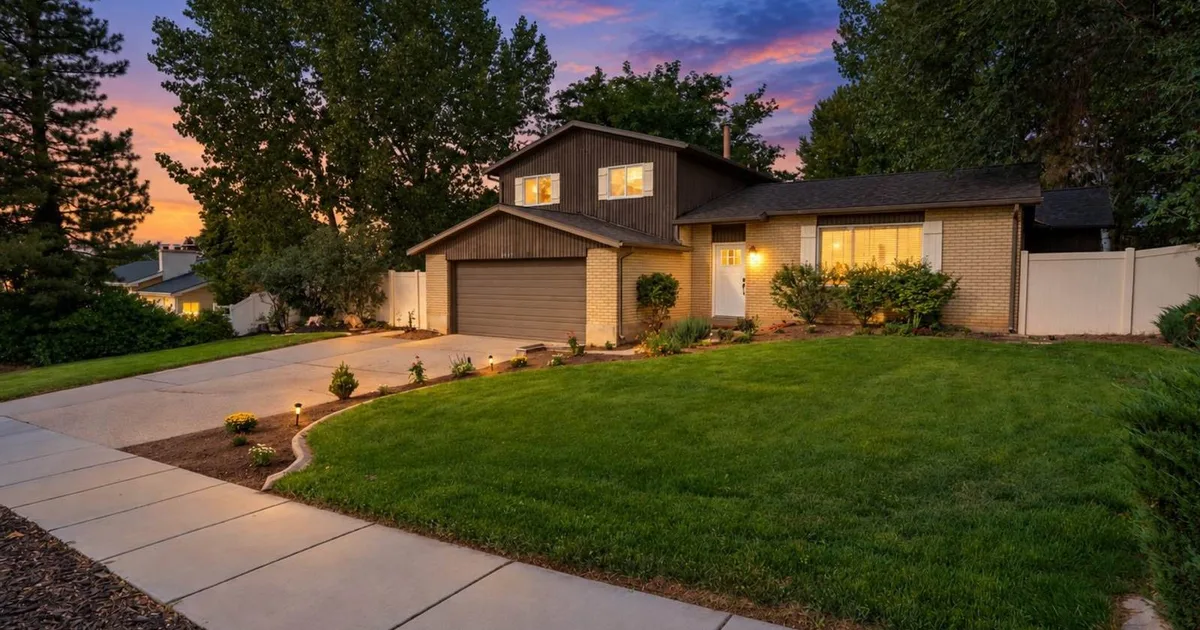
Should you accept an offer that depends on the buyer selling their home in Davis County?
Sometimes, yes. An offer that depends on the buyer selling their own home can be a solid offer for a Davis County seller when the buyer's home is already under contract or priced to sell, and when your agreement lets you keep marketing your house and move to a better offer if one comes in. It carries more risk when the buyer's home is not listed yet, because then your sale depends on a sale that has not started.
Charisse Walker is a real estate agent with Chalker Properties Group in Salt Lake and Davis County, Utah, and a licensed mortgage lender. Davis County homes have been taking longer to sell than they did a year ago, and that brings more of these offers to sellers in Layton, Kaysville, Farmington and Syracuse. Knowing how to judge one keeps you from turning down a good buyer or locking up your home with a shaky one.
What is a home sale contingency?
A home sale contingency is a condition in the purchase offer. It says the buyer can cancel if their current home does not sell, or does not close, by a set date. In Utah, it is usually written as an addendum to the standard purchase contract.
Buyers use it because many of them need the equity from their current home to make the down payment on the next one. Without that money, or without a lender willing to let them carry two mortgages, they cannot close on yours.
For you as the seller, the question is how likely their sale is to happen on time. Everything below is about answering that.
Why are Davis County sellers seeing more contingent offers?
Most of these offers come from move-up buyers. An owner of a smaller home in Clearfield wants more space in Kaysville, or an owner in Layton wants to downsize in Farmington. Their equity is in the house they live in now.
When homes sell quickly, sellers can wait for buyers with no strings attached. With Davis County homes staying on the market longer than last year, more sellers are finding that some of their most qualified buyers are the ones who still have a house to sell. Turning every contingent offer down can mean turning away a large share of the people who can afford your home.
How do you judge a contingent offer, step by step?
- Find out where the buyer's home stands. Is it not listed yet, listed, under contract, or under contract with the inspection and appraisal already done? Each stage further along means less risk to you.
- Look at the buyer's listing yourself. Compare its price to recent sales nearby, look at the photos, and check how long it has been for sale. A home priced above its neighbors that has been sitting for weeks is a warning sign.
- Read the lender's letter. Ask for a pre-approval that addresses the sale. It should say whether the buyer qualifies once their home sells, and whether they could qualify without selling it.
- Set firm dates. The addendum should name the date their home must be under contract and the date it must close. Vague timing works against you.
- Keep the right to keep marketing. Ask for a kick-out clause. It lets you keep showing your home and accept a backup or better offer, with the first buyer getting a short window to drop the contingency or step aside.
- Compare net, not price. A higher contingent offer can leave you with less if it adds weeks of mortgage payments, utilities and insurance. Our guide to the Utah seller net sheet shows how to run that math.
- Look at the earnest money. Check the amount and the dates when it becomes non-refundable under the contract. A buyer who puts real money at risk is telling you something.
What does a kick-out clause do for a seller?
A kick-out clause keeps your home in play while the buyer works on selling theirs. You stay on the market, often marked as under contract with a contingency, and you can keep taking showings.
If another buyer makes an offer you would accept, you give the first buyer written notice. They then have a short window, set in the addendum and often a few days, to remove their contingency and move forward without it. If they cannot, the contract ends and you go forward with the new buyer.
Without a kick-out clause, you may be off the market until the buyer's deadline passes. In a slower season, losing those weeks costs more than it would in spring.
Charisse Walker is a real estate agent with Chalker Properties Group in Salt Lake and Davis County, Utah, and a licensed mortgage lender. When she represents a seller, the kick-out terms and the deadlines get as much attention as the price.
What are the most common mistakes with contingent offers?
- Taking the home off the market with no kick-out clause. This gives the buyer all the time and you none of the options.
- Accepting open-ended timing. "When our home sells" is not a date.
- Trusting the buyer's opinion of their own home. Check the listing price against real sales before you count on it selling.
- Forgetting your own move. If you are buying your next home at the same time, a contingent buyer can create a chain of three sales that all have to line up. Our guide on whether to sell first or buy first in Davis County walks through that timing.
- Rejecting every contingent offer on principle. A buyer whose home is already under contract can be a safer bet than a non-contingent buyer with a thin pre-approval.
What does a contingent offer look like for a typical Davis County seller?
Here is a typical example, not a specific client.
A seller in Layton has a two-story home that has been on the market for a few weeks. Two offers come in the same week.
The first is close to asking price from a buyer whose Syracuse home is already under contract. The inspection on that home is finished, and the appraisal is scheduled. The second is lower, with no contingency, from a buyer whose pre-approval letter is near the top of their range.
On paper, the second offer looks safer. When the seller runs the net on both, the first one leaves noticeably more money at closing, and its risk is limited because the buyer's sale is well along.
The seller counters the first offer. The counter sets the contingency deadline to match the buyer's Syracuse closing date, keeps the Layton home on the market, and adds a kick-out clause with a 72-hour response window. The buyer accepts, their Syracuse sale closes on time, and the Layton sale closes the following week.
Contingent offer FAQ
Can I keep showing my home after accepting a contingent offer?
Yes, if your contract includes a kick-out clause or similar terms that let you keep marketing. Without that language, ask your agent what you can and cannot do.
What happens if the buyer's home does not sell by the deadline?
It depends on your contract. Usually the buyer can cancel, or you can agree in writing to extend the date. You are not required to extend.
Is a contingent offer always weaker than a non-contingent one?
No. A buyer whose home is already under contract, with a strong lender letter, can be a better buyer than one with no home to sell and little room in their budget.
Should I lower my price for a contingent offer?
Not because of the contingency itself. Price follows the market and your home. The contingency affects your terms, your timing and your risk.
Can I accept a backup offer while I wait?
Often, yes. A backup offer steps into first position if the first contract falls apart. Your agent can tell you how it fits with the kick-out terms you have.
How can Chalker Properties Group help you sell your Davis County home?
Charisse Walker is a real estate agent with Chalker Properties Group in Salt Lake and Davis County, Utah, and a licensed mortgage lender. She uses the F.E.N.D. system with every seller: Fight, Educate, Negotiate, Drive Solutions. With a contingent offer, that means checking the buyer's listing and lender letter, writing deadlines and kick-out terms that protect you, and showing you the net on every offer side by side.
Start with what your home could sell for. The home valuation page is a good first step, and the guide to selling your home covers the full process.
Have an offer in hand, or expecting one? Contact Charisse and she will go through it with you before you sign anything.