2026-11-15 · 6 min read · Davis County
Should You Use an Escalation Clause When You Buy a Davis County Home?
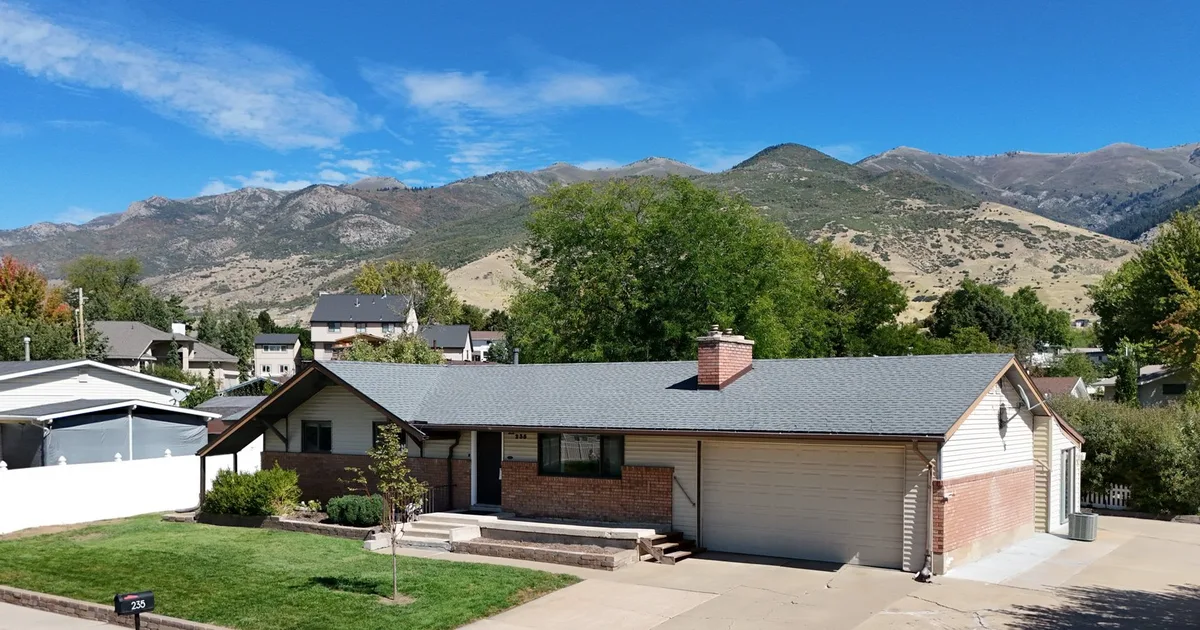
What is an escalation clause, and should you use one in Davis County?
An escalation clause is a term in your offer that raises your price automatically if the seller receives a higher competing offer, up to a maximum you set. It can help when you expect competing bids, because you do not have to guess the winning number. But it also reveals how high you are willing to go, and the clause is only as useful as the paperwork that supports it. Whether to use one depends on how many offers you expect, how much you want the home and what a seller in that situation will accept.
Charisse Walker is a real estate agent with Chalker Properties Group in Salt Lake and Davis County, Utah, and a licensed mortgage lender. When she represents a buyer, she looks at the seller's likely response before suggesting any tactic. This article explains how the clause works, what to include, what can go wrong and what to try instead. It is general information, not legal advice.
How does an escalation clause work?
Three numbers define it:
- Your base offer. What you will pay if there are no higher bids.
- The escalation increment. How much more you will pay than the best competing offer, such as a set dollar amount above the next bid.
- The cap. The most you will pay, no matter what others offer.
Here is a simple illustration with round numbers that are only for explanation. Suppose your base offer is $500,000, your increment is $2,000 and your cap is $520,000. If the seller receives a competing offer at $510,000, your offer rises to $512,000. If the competing offer is $530,000, you are over your cap, so the clause does not take you past $520,000, and you do not win on price.
In Utah, the clause is usually written into an addendum to the purchase contract. Your agent will draft the wording, and wording matters a great deal.
What are the benefits?
- You are not guessing. If the winning bid is lower than your cap, you do not overpay by as much as a flat high offer would.
- You can stay in a bidding situation. A clause can keep you competitive without forcing you to name a top price up front.
- It can save a round. In some cases it avoids a back-and-forth between offers.
These benefits are real in a market with several offers. In a quieter market, a clause may give away more than it gets. The article on winning multiple offers in Utah compares this with other approaches.
What are the risks?
- It reveals your ceiling. The seller sees your cap. A seller may counter at your cap even without a higher competing bid.
- Sellers may need proof. Many require evidence of the competing offer that triggered the increase. That can slow things down or make the seller uneasy about sharing it.
- It does not fix weak terms. A high price with a long contingency list is often less attractive than a lower price with cleaner terms. The clause changes only price.
- Appraisal pressure. A higher price means the appraisal has to support more. If the home appraises below your price, you may need to cover a gap or renegotiate. The article on waiving the appraisal contingency explains the risk, and it is just as relevant for Davis County.
- Some sellers dislike them. Some listing agents will not accept an escalation clause at all, so ask first.
What should you settle before you write one?
- Your real maximum. Not what you hope to pay, but what you can afford. Talk to your lender about the payment at the cap. Your own lender can confirm what you qualify for.
- Your cash for the gap. If the appraisal comes in low, how much can you cover?
- The seller's preferences. Ask the listing agent how they handle multiple offers and whether they accept escalation clauses.
- Your other terms. Closing date, contingencies, earnest money and inspection timeline can matter as much as price. The earnest money article covers the deposit.
- Your proof requirements. Decide whether you need to see the competing offer, or whether you will accept an attestation from the seller's agent.
What can you do instead of an escalation clause?
Several approaches compete for the same goal:
- A clean offer at your best price. If you can afford it, put your strongest number in at the start.
- Better terms. A flexible closing date, a shorter inspection window you are comfortable with or a rent-back can matter to a seller.
- A strong pre-approval. A full underwriting review makes an offer more credible than a basic letter. See how to get pre-approved in Utah.
- A personal note. It is allowed and can be warm, but do not include anything about your family, background or beliefs. Fair housing rules make that a risk for the seller and for you.
Which fits depends on the home and the seller. Charisse can tell you what the listing agent is likely to accept.
What does an escalation clause look like in practice? An example.
This is a typical example, not a description of a particular client. A buyer is touring a Davis County home that was listed a few days ago and already has multiple showings scheduled. The listing agent says offers will be reviewed on Monday.
The buyer and their agent decide on a clean offer with a firm closing date and strong earnest money. They add an escalation clause only up to a cap the buyer has already cleared with their lender, and they ask the listing agent whether proof of competing offers will be shared. The listing agent says yes. The buyer's agent also tells the buyer that if the home does not appraise, they will need cash to cover part of the gap, and the buyer confirms they can.
Whatever the result, the buyer made every decision before the deadline, and no one was surprised.
How do you decide between a clause and a flat offer?
Ask three questions. First, how many offers do you expect? If the listing agent says there is one other showing scheduled, a clause adds little. If there are a dozen, a clause may not be enough on its own. Second, how firm is your budget? If your cap is already your real limit, you may as well offer a clean number at the start. Third, how much do you want this particular home? A buyer who would be fine losing it can afford to stay disciplined. A buyer who would be crushed needs to decide ahead of time what they will do if the bidding goes past the cap.
Write your answers down before the deadline, while you are calm. Bidding situations move fast, and people who decided in advance usually make better choices than people who decide under pressure. Charisse will walk you through it, and the decision is always yours.
Escalation clause questions Davis County buyers ask
Is an escalation clause legal in Utah?
Yes, they are used. How the wording works is what matters, so have your agent draft it and ask an attorney about anything unclear.
Do sellers have to accept one?
No. A seller can reject the clause or ask you to remove it.
Does the cap have to be my real maximum?
It should be a price you can truly afford, because if the clause is triggered you are committed.
Will the home appraise at the higher price?
Not necessarily. The appraiser looks at comparable sales, not your clause. Plan for the gap.
How can Chalker Properties Group help you buy in Davis County?
Charisse Walker is a real estate agent with Chalker Properties Group in Salt Lake and Davis County, Utah, and a licensed mortgage lender. When she is your agent, she helps you decide on a strategy before the offer deadline, including whether a clause makes sense. Your loan stays with your own lender, and she does not act as your loan officer on that deal.
The buying a home page and the first-time buyers page explain the steps, the Farmington area page and Centerville area page compare local detail on facts, and the process page shows how the team works. When you are ready to write an offer, contact Charisse. This article is general information, not legal advice.