2026-11-15 · 6 min read · Salt Lake County
Do You Need Flood Insurance When Buying in Salt Lake County? How to Check a Home's Flood Zone
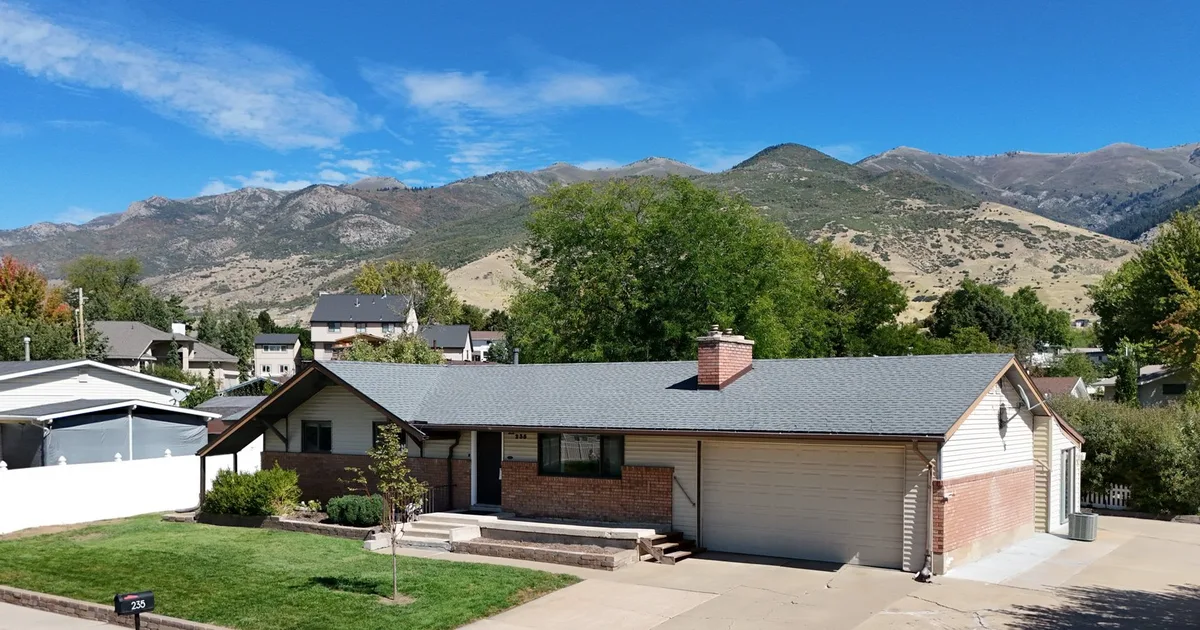
Do you need flood insurance when you buy a home in Salt Lake County?
Sometimes, and you should find out before you make an offer, not after. If a home sits in a mapped high-risk flood area and you use a federally backed loan, your lender will generally require flood insurance. If the home is outside those areas, coverage is usually optional, but it can still be worth pricing. Standard homeowners policies typically do not cover flood damage, so the question is worth asking even when no one requires it.
Charisse Walker is a real estate agent with Chalker Properties Group in Salt Lake and Davis County, Utah, and a licensed mortgage lender. She helps buyers check the facts on a property early, so there are no surprises at the lender's desk. This article explains how flood zones are mapped, how to look up a specific address, what the insurance question does to your costs and what to ask during your due diligence period. It is general information, not insurance advice. An insurance agent can quote your actual coverage.
What is a flood zone, and who decides which homes are in one?
Flood zones come from flood maps. In the United States, the Federal Emergency Management Agency (FEMA) publishes them, and local floodplain administrators in cities and counties use them to regulate building. Each property is placed in a zone based on its mapped flood risk. The zones that matter most to a buyer are the ones labeled as special flood hazard areas, which are the higher-risk zones.
Two points are worth knowing:
- The map is a snapshot. Maps get revised. A home can move in or out of a high-risk zone after an update.
- A map is not a guarantee either way. Water can reach a home outside a mapped zone, from a broken pipe, a clogged storm drain or heavy runoff. Flood zones describe mapped risk, not every possible source of water.
Salt Lake County has creeks, canals, the Jordan River corridor and canyon drainages that run toward the valley floor. That does not mean any given home is at risk. It means the lookup is worth the five minutes.
How do you check a Salt Lake County home's flood zone?
You can do the first pass yourself, before the home is even under contract:
- Use FEMA's map service. FEMA runs a public Flood Map Service Center where you can enter an address and see its mapped zone.
- Check the listing paperwork. If a seller has an elevation certificate or a current flood insurance policy, those documents tell you a lot. Ask your agent to request them.
- Call the local floodplain administrator. The city or county office that handles building permits can tell you about mapped zones and any local rules for homes in them.
- Ask the seller about water history. Utah's seller disclosure form asks about certain defects. Ask directly about any past water entering the home or yard, and ask when and how it was fixed.
- Look at the lot. Note where water would go. Check which way the ground slopes at the foundation, where downspouts empty and how close the home is to a creek, ditch or canal.
Write down the zone and the date you checked. If the home goes under contract, your lender will order its own flood determination, and you want to know the answer before they do.
When will your lender require flood insurance?
In general, if a home is in a special flood hazard area and your mortgage is federally backed or regulated, the lender requires flood insurance for as long as you have the loan. Lenders confirm this with a flood zone determination during underwriting. Rules vary by lender and loan type, so ask yours which requirements apply to your loan.
Some practical points:
- The cost of required coverage is part of your monthly housing cost. It is usually collected with your payment, along with taxes and homeowners insurance, in an escrow account. The article on escrow accounts explains how that works.
- A premium on a home in a high-risk zone can be meaningfully different from one outside it. Get a quote before you finalize your budget, not after the appraisal.
- If the flood determination surprises you late in the contract, you may have less time to react. That is why the early check matters.
Your own lender will give you specifics about your loan. When Charisse is your agent, the loan stays with your lender and she does not act as your loan officer, but her lending background means she knows which questions to bring.
How do you price flood coverage before you commit?
Call an insurance agent with the address and ask for two quotes: homeowners coverage and flood coverage. Flood insurance in the United States is available through the National Flood Insurance Program and from some private insurers. Ask the agent to explain:
- What the policy covers on the structure and on personal belongings, and what it excludes
- The deductible for each
- Whether there is a waiting period before coverage starts, which can matter if you are close to closing
- Whether the home's previous policy or claims history is available
Do this during your due diligence period, while you still have the right to change your mind. If the number changes whether the home fits your budget, you want to learn that while your options are open.
What mistakes do Salt Lake County buyers make with flood risk?
- Assuming no flood zone means no water risk. Drainage, window wells and grading cause far more everyday water problems than mapped floods. Look at both.
- Waiting for the lender to tell them. The lender's determination arrives late in the process. Your own lookup arrives before you offer.
- Skipping the insurance quote. A required premium is part of the monthly payment, so it belongs in your affordability math.
- Not asking about past water. A repaired problem is not a dealbreaker, but an undisclosed one is a conversation you want to have before closing.
- Ignoring the basement. If the home has a finished basement, ask where the sump pump discharges and whether it has a battery backup. The Davis County article on sump pumps and drainage applies here too.
What does a flood-zone check look like in practice? An example.
This is a typical example, not a description of a particular client. A buyer is touring a home near a creek in Salt Lake County. Before making an offer, they enter the address into FEMA's map tool and see that the lot sits partly in a mapped higher-risk area. They ask their agent to request any elevation certificate and insurance history from the seller.
The buyer then calls an insurance agent for a flood quote and shares it with their lender, who confirms how the requirement would work for the loan. With real numbers in hand, the buyer decides whether the monthly cost still fits. They write the offer with a due diligence period long enough to finish the insurance and inspection steps.
Nothing about this was dramatic. The buyer simply asked a few questions early, which is the point.
Flood zone questions Salt Lake County buyers ask
Does homeowners insurance cover flooding?
Standard homeowners policies typically exclude flood damage. Confirm with your insurance agent exactly what your policy covers.
Can a flood zone change after I buy?
Yes. Flood maps are revised from time to time, and a home's mapped zone can change. Ask your insurance agent how a map change would affect your policy.
Does a flood zone make a home a bad purchase?
Not by itself. It adds a cost and a requirement to understand. Many buyers decide the home still fits once they have the real numbers.
Who do I ask about local floodplain rules?
The city or county floodplain administrator, usually in the permitting or public works office, can explain local rules for a specific address.
How can Chalker Properties Group help you buy in Salt Lake County?
Charisse Walker is a real estate agent with Chalker Properties Group in Salt Lake and Davis County, Utah, and a licensed mortgage lender. When she is your agent, she builds your due diligence timeline so there is room to check flood zones, insurance and inspection items before your deadlines pass. Your loan stays with your own lender, and she does not give lending advice on a deal where she is your agent.
If you are weighing areas, the Murray area page and the Sandy area page compare them on facts, and the buying a home page walks through the steps. The process page explains how Chalker Properties Group works with buyers from first tour to closing. When you are ready to talk through a specific home, contact Charisse.