2026-11-10 · 8 min read · Salt Lake County
What Condition Does Your Salt Lake County Home Need to Be in When You Hand Over the Keys?
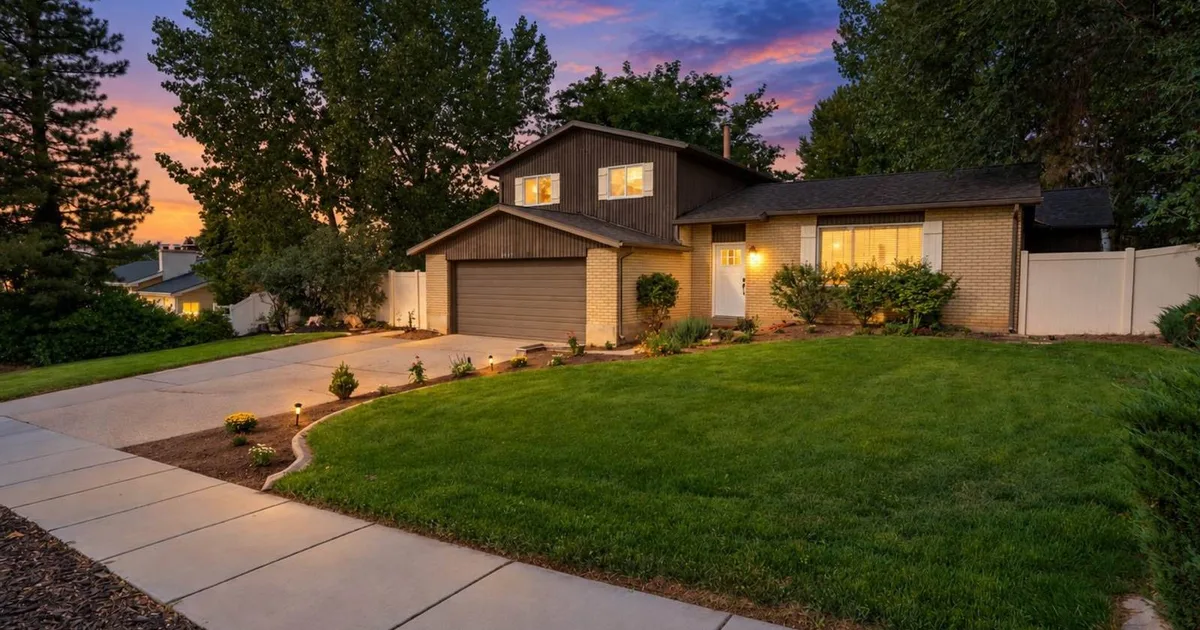
What condition does a Salt Lake County home need to be in at closing?
The home should be in the same condition it was in when the buyer made the offer, apart from normal wear, with everything that is supposed to stay still there and everything that is supposed to go gone. That standard comes from your purchase contract, not from a general rule, so the exact wording matters more than any checklist.
Charisse Walker is a real estate agent with Chalker Properties Group in Salt Lake and Davis County, Utah, and a licensed mortgage lender. Sellers across Salt Lake County, from Sandy to Murray to Salt Lake City, tend to focus on the price and the inspection, then get surprised by what the buyer expects on the last day.
This is general education. Your contract and your agent's advice for your own sale come first.
Where do the handover rules actually come from?
Three places set the standard, and they should agree with each other:
- The purchase contract. It lists what is included with the home, what the seller keeps, and when possession passes. Read our guide to the Utah purchase contract if you want to see how the pieces fit.
- Any repair agreement. If you agreed to fix items after the inspection, those repairs are part of the deal and the buyer will check them.
- The listing and the showing condition. If a fixture was in the photos and is not excluded in writing, the buyer will expect it to be there.
If the three documents disagree, the written contract and any signed addendum control. That is why verbal promises between two agents are not enough.
What should stay, and what can you take with you?
Items attached to the home normally stay. Items that are not attached normally leave. The gray area is where disputes start, and the fix is to write it down.
- Usually stays: built-in appliances, light fixtures, ceiling fans, attached shelving, window coverings that are mounted, garage door openers, and landscaping.
- Usually goes: furniture, rugs, freestanding items and personal belongings.
- Needs a clear answer in writing: a refrigerator, washer and dryer, wall-mounted televisions, mounted mirrors, a favorite chandelier, a hot tub, playground equipment and a shed.
If you plan to take a fixture, say so in the listing or in the first offer so the buyer does not count on it. Swapping out a light fixture after an offer is accepted can read as a breach, even when you meant no harm.
How clean does the home need to be?
Most contracts expect the home to be left broom clean or in similar condition, which means free of trash and belongings, with floors swept and surfaces wiped. It does not require a deep clean, but a buyer who walks into a dirty home will remember it.
A short list that avoids most complaints:
- Remove all trash, junk and leftover items from every room, the garage, the attic, the crawl space and the yard.
- Empty and wipe the refrigerator and cabinets if they stay.
- Sweep or vacuum, and wipe bathrooms and kitchen surfaces.
- Take down anything you are keeping that is attached to a wall or ceiling, and patch the holes if the contract expects it.
- Leave every key, garage opener, mailbox key and gate code you have.
Hiring a cleaning service for a few hours is usually small money compared to a buyer holding up the closing over what they found.
What repairs or maintenance are still your job before closing?
Selling does not pause the house. Between the accepted offer and the keys, the home has to keep working. If something breaks, tell your agent right away.
- Agreed repairs. Finish them early enough that the buyer can verify. Keep receipts and the contractor's name, since buyers often ask for both.
- Systems that must work. The furnace, water heater, plumbing and electrical should operate on closing day if they worked when the buyer made the offer.
- New damage. A leak, a broken window, or a moving-day scrape in a hallway should be repaired or disclosed, not hidden.
- Utilities. Keep service on until closing, so the buyer can test the home. Plan to schedule final meter readings for the closing date.
Our guide on negotiating repairs after a Utah inspection explains how the repair list gets set in the first place.
What happens at the final walk-through?
The buyer typically walks the home shortly before closing to confirm it matches the contract. They are not re-inspecting the house. They are checking that it is in the expected condition, that agreed repairs are done, that included items are present, and that nothing new has gone wrong.
If the buyer finds a problem, the usual options are a repair, a credit at closing, or a short delay to fix it. Closing on time is nearly always easier when the home is empty and clean a day or two before the walk-through, not an hour before.
If you are still moving out the morning of closing, tell your agent. They can coordinate timing with the buyer's agent, and the contract's possession terms may need an addendum. Our guide to staying in a Utah home after closing covers that situation.
What are the most common mistakes sellers make at handover?
- Leaving junk behind. A garage full of leftover boxes becomes the buyer's problem and your credit.
- Taking a fixture that was not excluded. Check the listing and the contract before you unscrew anything.
- Finishing repairs at the last minute. Buyers want time to verify the work.
- Turning off utilities early. The buyer cannot test the furnace or water heater in a dark house.
- Forgetting keys and openers. A missing garage remote can delay possession.
What does this look like for a typical Salt Lake County seller?
Here is a typical example, not a specific client.
A seller in Murray has a closing scheduled on a Friday. The contract includes the refrigerator and the window coverings. The seller plans to take the washer and dryer, but nobody wrote that down, and the listing photos show them in the laundry room.
On Wednesday, the seller's agent catches the gap while reviewing the contract. A short addendum states that the washer and dryer are excluded, the buyer signs it, and nothing is left to argue about. The seller finishes the move on Thursday, hires a cleaner for the afternoon, and the buyer's walk-through on Friday morning takes fifteen minutes.
Nothing about the house changed. The difference was a sentence in writing and a day of margin.
What is a simple timeline for the last two weeks?
A short schedule keeps handover from piling up on one day.
- Two weeks out: Reread the contract for included and excluded items. Book movers and any cleaner.
- One week out: Finish agreed repairs and collect receipts. Start moving belongings and take down any fixtures you are keeping, with a written note in the contract.
- Three days out: Remove trash and junk. Confirm utilities stay on through closing.
- The day before: Clean, gather keys and openers, and take photos of every room as a record of the condition you left.
- Closing day: Confirm possession terms with your agent, and be reachable in case the buyer asks a question at the walk-through.
Photos matter more than people expect. If a question comes up about the condition of a room, a dated photo from the day before settles it quickly.
Seller handover FAQ
Can I leave furniture for the buyer?
Only if the buyer agrees. Put it in writing so it is part of the deal and not something left behind.
What if I cannot move out before closing?
Talk to your agent early. A short rent-back or possession addendum is the usual route, and it needs to be written and signed.
Do I have to repair damage that happened after the inspection?
Normally yes, or negotiate a credit. Tell your agent as soon as it happens so the buyer is not surprised.
Who pays for the final cleaning?
The seller usually handles it so the home meets the contract standard. A buyer is not expected to clean up a seller's leftovers.
What if the buyer says something is missing at the walk-through?
Check the contract. If the item was included, replace it or agree on a credit. If it was excluded, show them the written term.
How can Chalker Properties Group help you sell your Salt Lake County home?
Charisse Walker is a real estate agent with Chalker Properties Group in Salt Lake and Davis County, Utah, and a licensed mortgage lender. She walks sellers through the last two weeks, not only the listing, so closing day is calm.
See our selling your home guide for the whole sequence, and the Salt Lake City page for how the market compares across the county.
Planning a sale in Salt Lake County? Contact Charisse to talk through your timeline and a handover plan for your home.