2026-11-16 · 7 min read · Davis County
Keep Your Current Mortgage or Sell and Move? A Davis County Homeowner's Guide to the Math
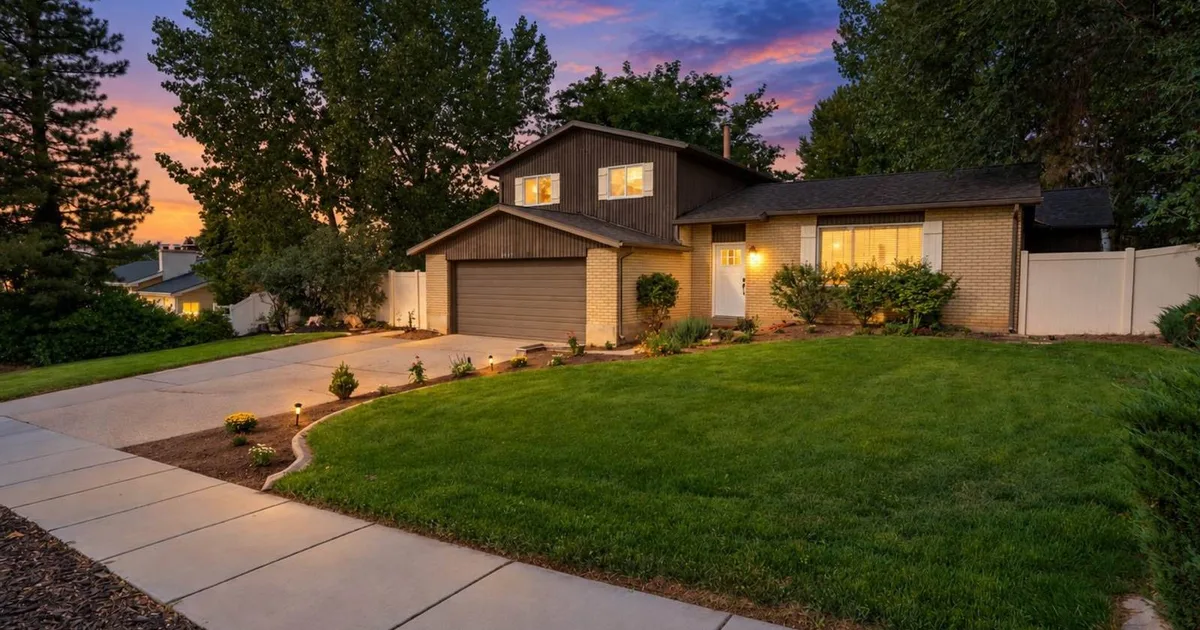
Should you keep your current mortgage or sell and move in Davis County?
It depends on what the house is costing you in space, time and stress compared with what a new loan would cost you each month. A low rate is real money, but it is only one number. The right answer comes from putting your current monthly cost next to the estimated monthly cost of the next home, adding the one-time costs of moving and looking at what staying actually gives up. Many homeowners find the math is closer than they feared, and some find it is farther apart than they hoped. Either way, you will make a better decision with numbers than with a feeling.
Charisse Walker is a real estate agent with Chalker Properties Group in Salt Lake and Davis County, Utah, and a licensed mortgage lender. This article shows you how to build that comparison, what to ask a lender for, what to ask an agent for and which options sit between staying and selling. It does not quote today's rates. Rates change, so get a current, written estimate from a lender for your own situation.
Why is this such a hard decision right now?
When a homeowner's current rate is lower than what a new loan would carry, moving can mean a higher monthly payment for the same size loan. That creates a feeling of being stuck, sometimes called lock-in. At the same time, the house may be too small, too large, too far from work or too hard to maintain. Life keeps changing even when the rate does not.
Neither side wins automatically. A low rate on a home that no longer works can cost you in other ways: a long commute, a room you do not have or a lot of maintenance on a house you do not use. A move that stretches your budget can cost you in monthly stress. The goal is to see both sides in dollars.
How do you build the comparison?
- Your current monthly cost. Principal and interest, property taxes, insurance, utilities, maintenance and HOA dues if any.
- The next home's estimated monthly cost. Ask a lender for a written estimate at a realistic price and down payment, and add taxes, insurance and utilities.
- Your net from selling. Ask for a seller net sheet. It shows what you would keep after paying off your loan, costs of sale and any repairs.
- One-time moving costs. Movers, storage, repairs, painting, overlap in housing and closing costs on the new home.
- Where the cash comes from. Your net proceeds, savings or both, and how it affects your down payment.
- What the move changes. Commute, space, repairs avoided, time and anything else you can put a number on.
Put both columns in a simple sheet. If the difference in monthly cost is smaller than you expected, the move may be more reachable than it seemed. If it is larger, you can see exactly how much, and decide whether the benefits are worth it. The article on what it costs to sell a home in Utah helps with the sale side of the numbers.
What are your options besides selling?
You are not choosing between only two paths. Consider:
- Stay and change the house. A remodel, finishing a basement or an addition can solve a space problem without a new loan on the whole house. Costs, financing and permits vary, so compare those costs against moving.
- Refinance. This usually only helps when a new rate is lower than yours or when you want to change the loan's term. Ask a lender for the full cost of closing and compute the break-even: the total closing cost divided by the monthly savings gives the number of months to recover it.
- A home equity line or loan. You keep your first mortgage and borrow against your equity for improvements. These are separate loans with their own rates and terms, and the rate on a line of credit can change over time.
- Keep the house as a rental. Some owners buy the next home and keep the first. This changes your loan qualification, your taxes and your responsibilities as a landlord. A lender will count rental income and your existing payment in specific ways. See selling rental property in Utah for what that road can look like later.
- Assumable loans. Certain government-backed loans can sometimes be taken over by a buyer, which may be an advantage when you sell. Ask your lender whether yours qualifies and what a buyer would need.
What does it cost to move up compared with staying?
Look past the payment to the whole cost over the time you expect to live there. If you plan to be in the next home for many years, a higher payment spread over a longer period may be worth it for the change in space or location. If you expect to move again within a few years, the closing costs and the transaction costs weigh more.
Also remember the cost of staying: a house that needs a new roof, a furnace or a major repair may carry that cost regardless of the rate. If you already know of large repairs ahead, include them in your sheet. The same goes for a second home or rental you may want in the future.
A lender can show you different loan structures, such as a larger down payment, a different term or a buydown, and what they do to the monthly number. See fixed vs adjustable rate mortgages in Utah for the main differences.
How do you sequence a sale and a purchase?
If you decide to move, the order matters. Selling first gives you certainty about your proceeds but can leave you without a home between closings. Buying first gives you a place to go but may require you to carry two payments, and your lender will look at both. Some sellers negotiate a rent-back, which lets them stay in the home for a short time after closing.
The decision also depends on your qualifying income and how much equity is in your current home. A lender can walk through how your current mortgage is counted if you buy before you sell. The article on buying and selling at the same time in Utah goes through the common approaches and their trade-offs.
What does a typical comparison look like?
Here is a typical example, not a specific client. A homeowner in Davis County has a mortgage they are happy with, but the house has become too small. They ask a lender for a written estimate on a larger home and ask an agent for a seller net sheet. The comparison shows a higher monthly cost for the larger home, plus about the cost of moving and a few repairs on the new house.
Then they price a second option: finishing part of their basement with a home equity loan. That project covers most of the space they need at a monthly cost that is lower than the move, and it keeps their current mortgage. They also note that a remodel disrupts the house for a while and does not change the location or lot.
With the numbers side by side, they decide to finish the basement for now and revisit moving in a few years. A different homeowner, whose commute is the problem, would reach the opposite conclusion. The method is the same. The answer depends on the person.
What are the common mistakes?
- Comparing rates instead of total costs. The rate is one input, not the answer.
- Forgetting the one-time costs. Moving, repairs, overlap and closing costs add up.
- Using an old estimate. Rates and prices change. Get a current written estimate.
- Ignoring what staying costs you. Time in the car, space you do not have and repairs deferred are costs too.
- Assuming a refinance is available or free. Closing costs and qualification apply.
- Waiting for an ideal moment. Nobody can predict rates. Decide based on your plans and your numbers.
Charisse Walker is a real estate agent with Chalker Properties Group in Salt Lake and Davis County, Utah, and a licensed mortgage lender. She can help you build both sides of the comparison, with one caution: when she is your agent in a transaction, the loan itself goes through your chosen lender, not through her, and she does not give lending advice on that deal.
Frequently asked questions
Can I take my current mortgage rate with me? Generally no. A new home usually needs a new loan, unless a loan is assumable and the buyer qualifies to take it over.
Is it worth refinancing instead of moving? Only if a new rate or term improves your costs after closing costs. Calculate the break-even.
Should I keep my house as a rental? It can work, but it changes your taxes, your qualification and your responsibilities. Talk to a lender and a tax professional.
How do I know what I would net from a sale? Ask an agent for a seller net sheet, and update it if the market changes.
What if I am not sure? Build the sheet anyway. A clear comparison often shows which question matters most.
What is the next step?
If you are weighing a move in Davis County, a net sheet and a written loan estimate will turn a hard feeling into a clear comparison. Contact Chalker Properties Group and we will walk through the next steps, simplified.
Charisse Walker, NMLS #2118149, is a mortgage loan originator with Morty, Inc., a licensed mortgage broker, NMLS #1429243. All loans are funded by third-party lenders. Equal Housing Opportunity.