2026-11-27 · 7 min read · Davis County
What Could Get Built Next Door? How to Check Before You Buy a Davis County Home
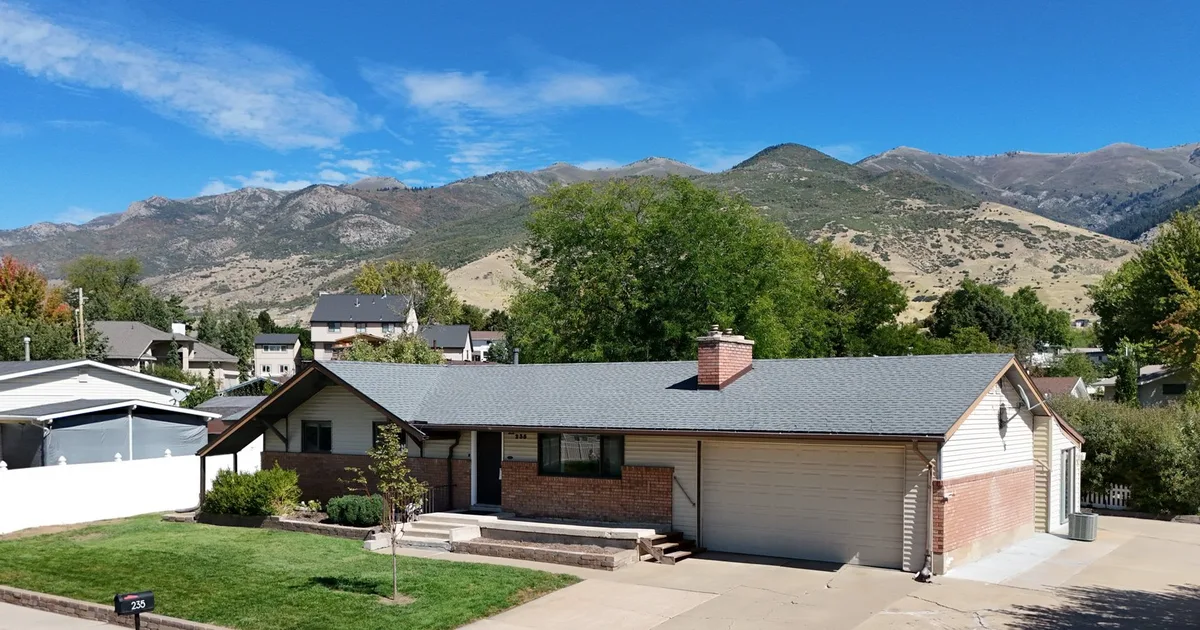
Can you find out what might be built next to a Davis County home before you buy it?
Yes, and you should. The open field, orchard or empty lot next to a house is often the reason you fell for it, and it is also the part of the view you do not own. In Davis County, you can usually learn a lot in a few hours: how the land is zoned, what the city's long-range plan calls for, whether anything has been proposed, and whether a road project is coming. Do this during your due diligence period, before your deadline passes.
Charisse Walker is a real estate agent with Chalker Properties Group in Salt Lake and Davis County, Utah, and a licensed mortgage lender. This guide walks you through the checks we do with buyers in cities like Syracuse, Kaysville, Layton and Farmington, where newer homes often sit next to land that has not been built on yet.
Why does the land next door matter so much?
Because it affects how the home feels to live in and how it sells later. A field that becomes a row of homes changes your privacy. A lot that becomes a commercial building changes traffic and light. A new road changes noise. None of these are automatically bad. Some buyers want a store or a park within walking distance. The point is to know before you sign, so the price you pay reflects what is really coming.
It also matters for resale. When you sell, the next buyer will ask the same question. If you already know the answer and can point to the city documents, you are in a stronger spot.
What is the difference between zoning and a general plan?
Zoning is the rule for the land today. It says what can be built there now: single-family homes, townhomes, apartments, offices, retail, agriculture. Each city posts a zoning map, and most Davis County cities have one you can view online.
A general plan is the city's long-range vision. Utah cities are required to adopt one. It shows what the city expects an area to become over time. A parcel can be zoned agricultural today and shown as residential or mixed use in the general plan. That gap is a signal. It often means a rezone could be requested later.
Read both. Zoning tells you what is allowed now. The general plan tells you which direction the city is leaning.
How do you check, step by step?
- Find the parcel. Use the Davis County parcel and property search to find the owner and parcel number for the land next to the home. Note who owns it. A developer or a builder owning it tells you something different than a family that has farmed it for decades.
- Look up the zoning. Open the city's zoning map and find that parcel. Write down the zone name, then look up what that zone allows in the city code.
- Read the general plan map. Check the future land use map for the same parcel. If it differs from the zoning, ask why.
- Search recent planning commission and city council agendas. Utah public bodies post meeting notices on the Utah Public Notice Website, and most cities post agendas and minutes on their own sites. Search for the street name or the parcel number.
- Call the city planning office. Ask plainly: has anything been submitted for this parcel, and is anything expected? Planners answer this question often.
- Check road and transit plans. Look at UDOT's project pages and the regional transportation plan for anything near the home.
- Write down what you learn and when. Dates and sources matter if you need to make a decision before your deadline.
When should you do this research?
During the due diligence period in your Utah purchase contract. That window is when you can investigate the property and, if you are not satisfied, cancel under the contract's terms. Once the deadline passes, your options narrow and your earnest money may be at risk. Our guide to the Utah REPC explains how those deadlines work.
If the house backs to open land, we build this research into the first days of due diligence, alongside the inspection, so nothing gets squeezed at the end.
What mistakes do buyers make with land next door?
- Trusting what the listing or a neighbor says. "That will always be open space" is a sentence, not a recorded restriction. Ask for the document that says so.
- Assuming a park or trail is permanent because it looks finished. Check who owns it. City-owned open space and land owned by an HOA or a private party are different situations.
- Only checking zoning. The general plan and pending applications often tell the real story.
- Waiting until the last day of due diligence. A planning office may need a day or two to call you back.
- Not asking about the HOA or CC&Rs. In some subdivisions, recorded plats and CC&Rs set aside common areas. Read them.
What does this look like for a typical buyer?
Here is a typical example, not a specific client. A buyer moving up from a townhome finds a Davis County home that backs to a large field. The backyard view is a big part of why the house is priced where it is. During due diligence, the buyer looks up the field. It is zoned agricultural, but the general plan shows it as future residential, and the parcel is owned by a land company.
The buyer calls the planning office and learns no application has been filed yet. Now the buyer has a real choice. They can go forward knowing homes may be built behind them someday, they can ask for a price adjustment based on that risk, or they can cancel within the deadline and keep looking. Any of those can be the right answer. The wrong answer is finding out two years later from a sign on the fence.
Does new building nearby always hurt a home's value?
No. It depends on what is built and how it fits. Homes going up on a field may bring sidewalks, parks and road improvements. A new grocery store a mile away can be a plus for many buyers. A large commercial project or a busy new road right against the backyard is a different conversation. Compare on facts: distance, height, traffic, noise and what the city requires for buffers and setbacks.
Charisse Walker is a real estate agent with Chalker Properties Group in Salt Lake and Davis County, Utah, and a licensed mortgage lender. Her job on your side is to make sure you understand the trade before you agree to the price.
Frequently asked questions
Can a seller be required to disclose planned development next door?
Utah seller disclosure forms ask about things the seller knows. A seller may not know about a city plan. Do your own research instead of relying on the disclosure.
Is the general plan a guarantee of what will be built?
No. It is the city's stated direction. Rezones, approvals and market conditions decide what actually happens.
Can I comment on a proposed project after I buy?
Yes. Planning commission and city council meetings usually include public comment. Agendas are posted ahead of time.
Who do I call with questions about a specific parcel?
Start with the planning or community development office for the city the parcel sits in. For unincorporated land, contact Davis County.
Does this matter for a condo or townhome too?
Yes. Views, light and traffic affect attached homes as much as single-family homes.
What should you do next?
If you are shopping in Davis County, look at our pages for Syracuse, Kaysville and Farmington, and read our guide to buying a home. When you find a house next to open land, we will help you check it before your deadline, not after.
Here are the next steps, simplified: find the parcel, read the zoning and the general plan, search recent agendas, and call the planning office. When you are ready to start, contact Charisse.