2026-11-14 · 7 min read · Salt Lake County
How Do You Choose a Closing Date When You Sell a Salt Lake County Home?
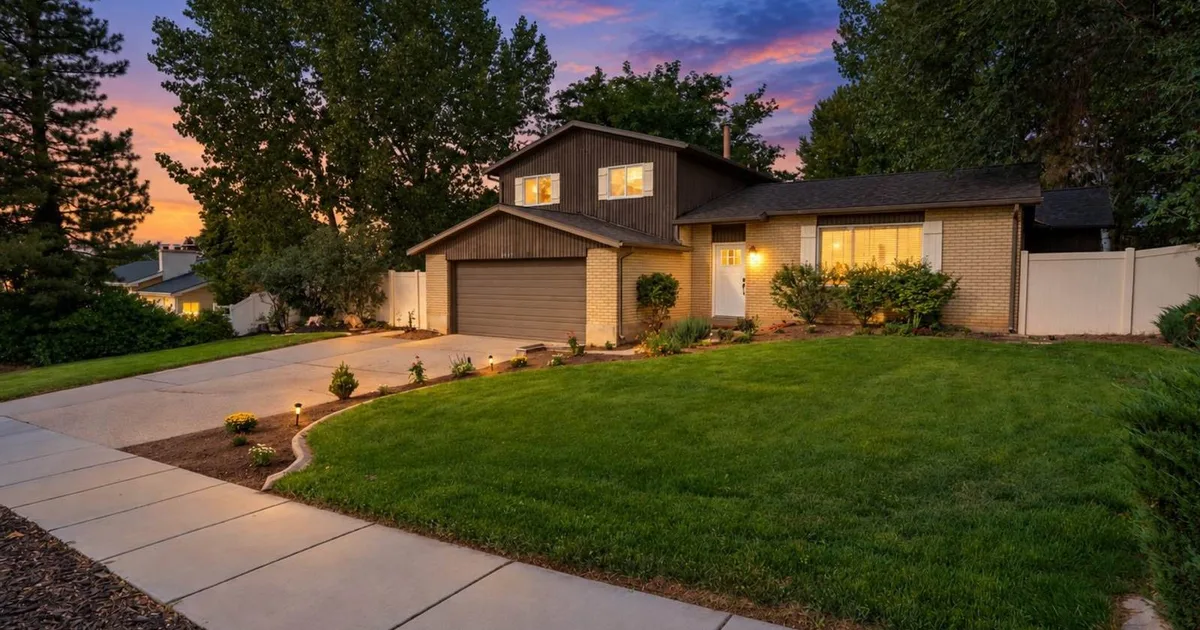
How do you choose a closing date when you sell a Salt Lake County home?
Start from the date you need to be out and the date your next home is ready, then work backward and forward from there. A closing date is usually set in the contract about 30 to 45 days after acceptance for a financed purchase, and it can be shorter or longer if the buyer and seller agree. The right date is the one that matches your move without leaving you paying for two homes or searching for a place to stay.
Charisse Walker is a real estate agent with Chalker Properties Group in Salt Lake and Davis County, Utah, and a licensed mortgage lender. She helps sellers set closing and possession terms before they accept an offer, because the date you agree to is hard to change later.
This article covers what drives a closing date, how closing and possession differ, what can move the date and how to build in a cushion.
What determines how long a sale takes to close?
Several pieces have to line up, and each has its own clock.
- The buyer's loan. A lender needs time for the appraisal, underwriting and final approval. Cash buyers can close faster.
- The inspection and repair period. Negotiating repairs and finishing them takes days or weeks.
- The appraisal. The appraisal has to be ordered, completed and reviewed. If it comes in low, the deal can pause while you renegotiate.
- Title and escrow. The title company searches the record and prepares the documents. Liens or recording errors can slow this.
- Your own next step. If you are buying another home, your purchase has its own timeline.
The contract states a closing date, and the dates inside it for inspection, appraisal and financing deadlines. Your agent should read them with you before you sign. The article on what happens at closing in Utah explains the final steps in order.
What is the difference between closing and possession?
Closing is when the paperwork is signed, the funds are sent and the sale is recorded. Possession is when the buyer gets the keys and the right to occupy the home. In many sales, they happen on the same day. They do not have to.
Possession can be set for a different time in the contract, and that can solve a real problem:
- A rent-back. The seller closes, then stays for an agreed number of days. This is a separate arrangement with its own terms, and it needs to be written down. The article on how rent-backs work covers the mechanics.
- Early possession by the buyer. This adds risk for the seller, since the buyer is in the home before the sale is final. Talk to your agent before agreeing to it.
Be careful with any arrangement that changes who has the keys before funds are recorded. Get the terms in a signed addendum, and check your homeowner's insurance with your insurance agent.
What closing date works when you are buying your next home too?
This is where most sellers feel the squeeze. You have three basic paths.
- Sell first, then buy. You know your proceeds and have no overlap, but you may need a temporary place to live, or a rent-back, while you find the next home.
- Buy first, then sell. You can move at your own pace, but you carry two housing costs for a time and may need a loan structure that allows it. Talk to a lender early about how your second purchase would be financed.
- Align the two closings. You can try to close the sale and the purchase on the same day or one right after the other. This works when everyone's loan and title timelines cooperate, and a delay on either side affects the other.
The guide to buying and selling at the same time in Utah goes through each option. Whichever you choose, ask the buyer for a closing date that gives you a few days of cushion before you must be out.
What can push a closing date back?
Even a clean sale can slip. Here are the usual causes:
- A low appraisal that needs renegotiation
- Repairs that take longer than planned
- A buyer's lender that needs more documents
- A title issue such as an old lien or a missing signature
- A change in the buyer's job or credit while the loan is in process
- A holiday, which changes when offices and recorders are open
Some contracts allow an extension, and it should be in writing if you grant one. Do not agree to an open-ended delay. Ask for a firm new date, and ask what happens if it is missed.
What closing date mistakes do sellers make?
- Choosing the earliest date because it sounds attractive. A fast closing helps a buyer's offer look strong, but it can leave you without a place to go.
- Ignoring the move-out work. Packing, repairs, clean-out and utility transfers take longer than most sellers expect.
- Not asking about possession terms. A closing date without a clear possession date invites confusion.
- Forgetting your own costs. Your mortgage payoff and any prorations depend on the day you close. Ask your title company for a settlement estimate once a date is set.
- Planning without a cushion. If your next move depends on this closing date, a three-day buffer costs less than a scramble.
How do you build a cushion into your closing timeline?
A cushion is cheap when you plan it and expensive when you improvise. These steps help:
- Start the move early. Pack what you do not use, such as off-season items and extra furniture, while the home is still on the market. It also helps the home show better.
- Schedule the big jobs backward from closing. Movers, junk haulers and carpet cleaners book up near month end, so reserve them once the date is firm.
- Ask about utilities. Set stop and transfer dates for the day after possession, not the day of, so the buyer's walk-through is not in the dark.
- Hold a few days at the end. If the contract allows, ask for possession a day or two after closing so you are not carrying boxes on signing day.
- Confirm the lender's status weekly. Ask your agent to check in with the buyer's agent about appraisal, underwriting and any missing documents. Small problems are easier to fix early.
None of this changes the contract. It changes how much room you have if something moves by a few days.
What does a typical closing date decision look like? An example.
This is a typical example, not a description of a particular client. A seller in Salt Lake County gets two offers at similar prices. One buyer wants to close in 21 days. The other asks for 40 days, with possession on closing.
The seller needs to be in a new home that will not be ready for six weeks. The 40-day offer fits the timeline without a rent-back, so the seller accepts it. The seller's agent builds in a small cushion and confirms the lender's timeline with the buyer's agent. Then the agent checks the contract's deadlines and calendars each one.
The point is that the faster offer was not the better one for this seller. The better offer was the one that matched their move.
Closing date questions Salt Lake County sellers ask
How long does it take to close on a house in Utah?
Many financed sales close in roughly 30 to 45 days after the contract is accepted, and cash sales can be quicker. Your contract sets the date.
Can I change the closing date after I accept an offer?
Only if both sides agree, in writing. Ask your agent to draft an amendment.
Do I have to be at closing?
Not always. Signing arrangements vary by title company, and many can arrange signing in advance or with a mobile notary. Ask your escrow officer.
What if I am not out by the possession date?
That can create real liability. If you need more time, ask for a written rent-back before you accept the offer.
Does the closing date affect my taxes or payoff?
It affects prorations and the payoff amount. Ask the title company for an estimate, and ask your CPA about any tax questions.
How can Chalker Properties Group help you sell in Salt Lake County?
Charisse Walker is a real estate agent with Chalker Properties Group in Salt Lake and Davis County, Utah, and a licensed mortgage lender. When she is your agent, she works out your timeline before you accept an offer and puts closing, possession and any rent-back in the contract so they match your move.
If you are planning a sale, the selling your home page outlines the steps. The Murray area page covers local detail, and the process page shows how Charisse works.
Planning a move and want the dates to line up? Tell Charisse your timeline and she will help you map it.