2026-11-16 · 6 min read · Davis County
Selling Your Davis County Home to a Buyer Using a VA or FHA Loan: What Should You Expect?
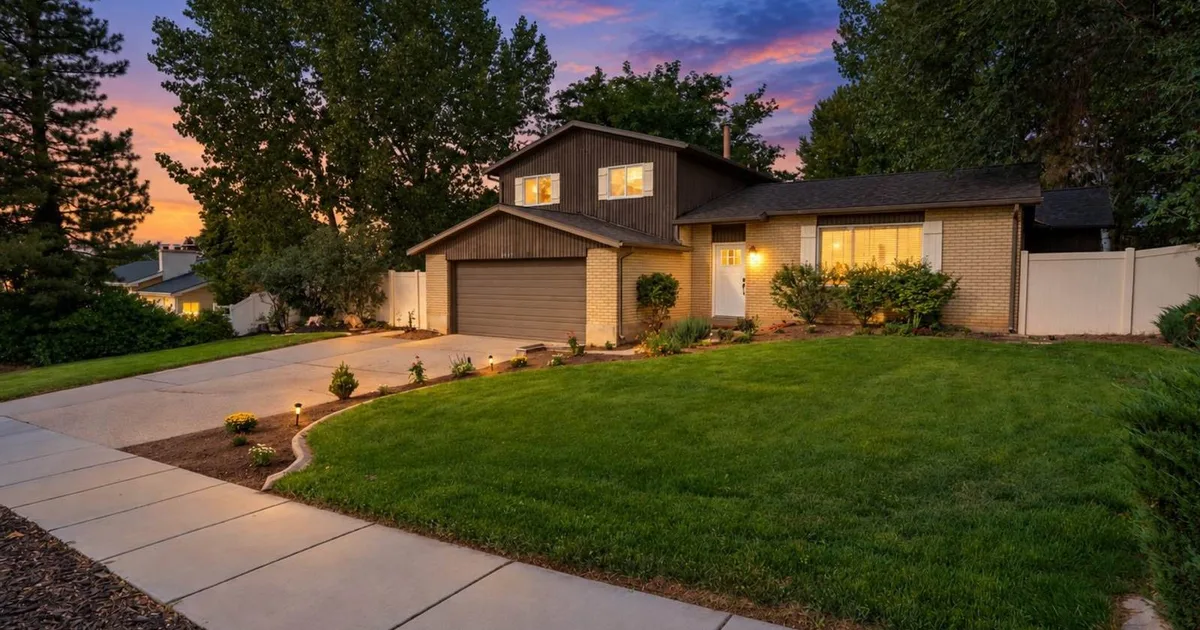
Should you take an offer from a buyer using a VA or FHA loan in Davis County?
Yes, you should take it seriously. A VA or FHA offer is not a weaker offer by default. What matters is the whole picture: price, the buyer's pre-approval, the timeline, the terms and how the home is likely to appraise. Davis County has many buyers using VA benefits because of the military community around Hill Air Force Base, and FHA loans are common for buyers who want a lower down payment. Sellers who dismiss these offers on reflex can leave a strong buyer on the table.
Charisse Walker is a real estate agent with Chalker Properties Group in Salt Lake and Davis County, Utah, and a licensed mortgage lender. This article explains what is different for a seller: how the appraisal and condition standards work, what repair requests look like, what you may be asked to pay and how to compare these offers with a conventional or cash offer without guessing.
What is actually different about a VA or FHA offer?
The money is the same as any other loan. The difference is the set of property and process rules the government-backed programs attach to the sale. In plain terms:
- The appraisal has condition standards. Besides setting a value, the appraiser looks at whether the home meets the program's minimum property standards for safety, soundness and sanitation. A conventional appraisal focuses more on value.
- Some repairs can be required. If the appraiser notes a problem, such as peeling paint on an older home, a failing roof or a missing handrail, it may need to be fixed before closing.
- Limits on seller-paid costs. Both programs set caps on what a seller can contribute toward a buyer's costs and which costs can be paid.
- The loan type is not a reason to expect a slower sale. With a prepared file and a lender who knows the program, timelines are usually comparable to conventional loans.
Rules and limits can change, and each lender interprets them for their own guidelines, so ask the buyer's lender for current requirements rather than relying on memory.
How does the appraisal work, and what is the risk?
The appraiser visits, measures, notes the condition and compares the home to similar recent sales. If the value comes in lower than the contract price, you have the same choices as in any sale: lower the price, split the gap, challenge the appraisal with better comparable sales, or let the buyer bring more cash. Read more in how to handle a low appraisal in Utah.
What is different with VA and FHA is the condition report on top of the value. A home that is clean and maintained usually passes without trouble. A home with deferred maintenance can be flagged. The strongest defense is simple: walk your own house like an appraiser would before you list.
Things worth checking before your listing goes live:
- Peeling or chipping paint, especially on a house built before 1978
- Roof condition and any active leaks or visible damage
- Handrails, stair safety and missing or broken windows
- Working utilities, a working water heater and a furnace that runs
- Standing water, drainage problems and crawl space moisture
- Exposed wiring, missing outlet covers or damaged electrical
- Damaged or missing flooring that is a trip hazard
What about repair requests?
If the appraiser flags a required repair, the contract and the lender decide who pays and how it gets done. Common paths are: the seller makes the repair before closing and provides proof, the parties agree on a credit that the lender allows or the buyer pays for the work. Not every lender or program handles it the same way, so ask early.
This is not unique to government loans. Buyers using conventional loans can also request repairs after their own inspection. The article on negotiating repairs after inspection in Utah covers that process.
A seller who makes the obvious repairs before listing removes most of the friction. A seller who is selling as is should say so in the listing so buyers using these loans understand what they are bidding on.
Will you be asked to pay the buyer's costs?
Buyers using these loans sometimes ask for the seller to contribute toward their closing costs. This is a negotiated term, not a requirement. You can accept, counter or decline, the same as you would with any buyer. If you do agree, the program sets a ceiling on what the seller can pay, and it limits the types of costs that can be covered.
The question to ask is not "is there a seller credit" but "what is my net." Compare a higher offer with a credit to a lower offer with none by writing out the final number you would keep after commission, credits, repairs and closing costs. A tool like a seller net sheet makes this concrete, and your agent can prepare one for each offer.
Remember also that a buyer who needs less cash up front may be able to offer a stronger price. A credit is a cost to you, but so is a lower price.
How do you compare a VA or FHA offer to a cash or conventional offer?
Put the offers side by side with the same list:
- Price. What the contract says.
- Net after costs. What you keep after credits, repairs and fees.
- Financing strength. Is the buyer fully pre-approved with documents reviewed, or only pre-qualified?
- Timeline. Closing date, possession date and any contingencies.
- Appraisal exposure. How much risk is there that the value comes in lower, and what does the offer say about that?
- Condition exposure. Is your home likely to pass condition standards as is?
- Flexibility. Does the buyer need to sell another home first?
A VA buyer who is fully approved with a strong price and a clear timeline can beat a cash buyer who wants a big discount. A cash offer that waives everything may beat a financed offer with a thin pre-approval. The number to watch is your net and your certainty of closing. See how multiple offers are weighed for the buyer's side of this.
What are the common seller mistakes?
- Dismissing the loan type. The loan program is not a reflection of the buyer's strength.
- Ignoring condition until after the appraisal. Fix visible issues before you list.
- Assuming it will take longer. Ask the buyer's lender for a realistic timeline and a recent closing example from the lender.
- Skipping the pre-approval letter. Look at it and ask your agent to talk to the lender.
- Overlooking military timelines. A buyer on orders may have firm dates. Plan around them.
- Not asking about the net. A price is not what you keep.
What does a typical situation look like?
Here is a typical example, not a specific client. A seller in Davis County gets two offers in the first weekend: a conventional offer at a slightly higher price from a buyer with a thin pre-approval, and a VA offer at a slightly lower price from a buyer with a fully documented file and a lender that has closed many VA loans. The seller's agent calls both lenders, asks for a timeline and compares the nets.
The VA offer closes with a modest credit. The conventional offer has a higher price but an appraisal risk, because the price is well above recent sales nearby. After comparing the nets and the risk, the seller chooses the VA offer. The appraisal comes back at the contract price, the paint on the old garage door is touched up as required and the sale closes on schedule.
The lesson is not that VA is better. The lesson is to compare nets and certainty, not labels.
Frequently asked questions
Do VA and FHA buyers always ask for repairs? No. Only items flagged by the appraiser or inspection, or negotiated in the contract, come into play.
Can I sell as is to a VA or FHA buyer? You can list as is, but the home still has to meet the program's property standards before the lender will fund the loan.
Are these loans slower to close? Not necessarily. A prepared buyer and lender can close on a normal timeline.
Do I have to pay the buyer's closing costs? No. It is a negotiated term. Programs set caps if you agree.
How do I check the buyer's financing? Ask your agent to review the pre-approval and speak with the lender.
What is the next step?
If you plan to list in Davis County and want to know how your home will look to buyers using these programs, a walkthrough before photos can catch issues early. Contact Chalker Properties Group and we will go through the next steps, simplified.