2026-11-17 · 5 min read · Davis County
How Do You Compare Davis County Cities on Facts Before You Buy?
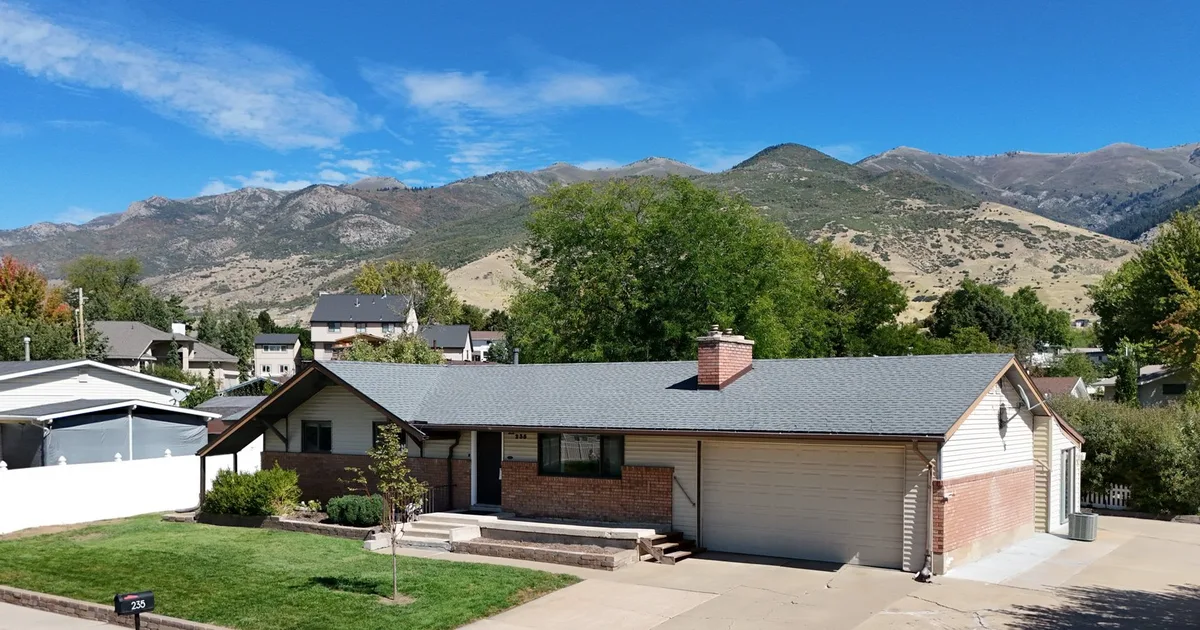
How do you compare Davis County cities before you buy a home?
Pick the facts that affect your daily life and your budget, collect the same facts for each city and compare them side by side. Leave reputation, rumor and feelings out of the worksheet. Commute, home prices, lot sizes, home ages, property taxes, utilities, services and distances to the places you visit every week are all things you can look up or measure.
That approach is better for your decision and it is also the right way to talk about a place. I do not rank cities or say which is better, and I never describe who lives where. The worksheet below compares properties and distances, which are facts you can check. Charisse Walker is a real estate agent with Chalker Properties Group in Salt Lake and Davis County, Utah, and a licensed mortgage lender.
Why should you compare on facts and not on reputation?
Because reputation is secondhand, it changes and it is not a reliable guide to your own situation. A friend who loves one city may have a different commute, budget and taste than you do. Facts let you test the choice against your life.
There is a second reason. Real estate advertising is held to fair housing rules, and good advice describes the property and the surroundings, not the people. A buyer who focuses on measurable features is also making a choice that holds up.
What facts belong on the worksheet?
- Commute. Drive the route to your workplace at the real times you would travel, on a weekday, and note the minutes. If you ride transit, check the actual schedule. See testing the commute.
- Price range. Look at recent closed sales for homes like the one you want, not only active listings.
- Home age and type. Older homes and newer builds come with different maintenance, systems and lot sizes.
- Lot size. Measure the lot and note slope, drainage and yard use.
- Property taxes. Look up the tax on specific addresses in county records, since they vary by property and area.
- Utilities and services. Ask about water, secondary water, sewer, garbage and who provides electricity and gas.
- Distance to what you use. Grocery, medical care, parks, trails and your workplace, measured in minutes.
- Zoning and rules. Whether you can add a basement unit, fence or outbuilding, and any HOA rules.
- Hazards and insurance. Flood, earthquake and other risks, and the insurance cost on specific homes.
Add a column for each city and fill the cells with numbers or short notes. Where you cannot find a fact, mark it and ask your agent.
Where do you find the facts?
Start with your agent, who can pull recent sales and tell you how homes compare. Then use public sources. County records show property tax and ownership information. City websites list zoning, utility providers and permit rules. A mapping tool will give you commute times and distances, and you can test them by driving. Utility providers can tell you what a typical bill looks like, and your insurance agent can quote a specific address.
For a quick look at individual cities, the area pages for Layton, Kaysville, Farmington, Centerville, Bountiful and Syracuse are a starting point. Treat them as starting points, and verify the numbers for any address you are serious about.
How do you weigh what you find?
Decide what matters most before you look at the totals. A buyer who drives to Salt Lake City every day will weigh commute heavily. A buyer who works from home may weigh lot size and utilities more. Pick your top three, give them more weight and note anything that is a deal-breaker. For example, a lot that slopes steeply, a home with no basement or a monthly cost above your comfort zone.
Fixable items weigh less than permanent ones. You can paint a room, but you cannot move a house closer to work or make a small lot larger. For a similar method applied to two specific homes, see choosing between two Davis County homes.
What about schools and neighborhood feel?
These matter to many buyers, and they are also the topics where advice goes wrong. I do not rate schools or label any area. What I can tell you is where to find the information yourself. Utah publishes school information through the state education office and individual districts, and districts can tell you which school serves a given address. Boundaries can change, so confirm in writing for the exact address. Local public-safety information is published by city and county agencies and you can review it directly.
The most useful "feel" test is to spend time there. Visit at different hours, walk a few blocks, stop at the grocery store and try the route to your work. Then decide for yourself. Your own observations and the measurable facts will serve you better than anyone's opinion, including mine.
What does a typical comparison look like?
Here is a typical example, not a specific client. A buyer is choosing between a home in Layton and one in Farmington. She builds a worksheet. The commute test shows similar drive times, with the Farmington route a few minutes shorter in morning traffic. The Layton lot is larger. The Farmington home is older and has a newer roof, while the Layton home needs a furnace soon. She looks up the property taxes on each address and gets an insurance quote.
With the numbers in one place, she sees that the Layton home costs less per month even after the furnace is counted, while the Farmington home saves her commuting time. Her top three priorities are monthly cost, lot size and commute, in that order. The worksheet points to Layton, and she can explain why. If her priorities had been different, it could have pointed the other way, and that would have been fine too.
What are the common mistakes?
- Choosing on reputation. Test the claim yourself.
- Testing the commute once. Try different days and times.
- Comparing list prices only. Look at closed sales and the cost to own.
- Ignoring the lot. Slope, drainage and size affect use and cost.
- Skipping taxes and insurance. They change your payment.
- Assuming boundaries. Confirm any school boundary in writing.
- Trying to compare too many cities. Narrow it to two or three.
For the wider list, see the biggest mistakes home buyers make in Utah.
How do you get from the worksheet to an offer?
Once you have a favorite or two, tour homes in those cities, with the worksheet in hand. Ask your agent for recent sales near the homes you like, get a lender to confirm your budget and make sure you know the cost of ownership. If you are not yet pre-approved, how to get pre-approved for a home loan in Utah is the place to begin. And if you are new to the area, the relocation page and the first-time homebuyer guide for Davis County add context.
Transparency is key, so here is what I will do and not do. I will give you the facts, help you gather them and give you my strategy based on your goals. I will not tell you where you should live. That decision belongs to you.
Frequently asked questions
Which Davis County city should I choose? There is no single answer. It depends on your commute, budget, lot and priorities.
Where do I find property taxes? County records show the tax on a specific address.
How do I confirm a school boundary? Ask the district in writing for the exact address.
How many cities should I compare? Two or three is easier to manage.
Can you help me build the worksheet? Yes. We can build one around your priorities.
What is the next step?
If you are weighing Davis County cities, we can build the worksheet around your commute and budget. Contact Chalker Properties Group and we will go through the next steps, simplified.